Supply Chain Buffer
Add a second manufacturing route for projects that need more flexibility around market policy, tariff discussion or regional delivery planning.
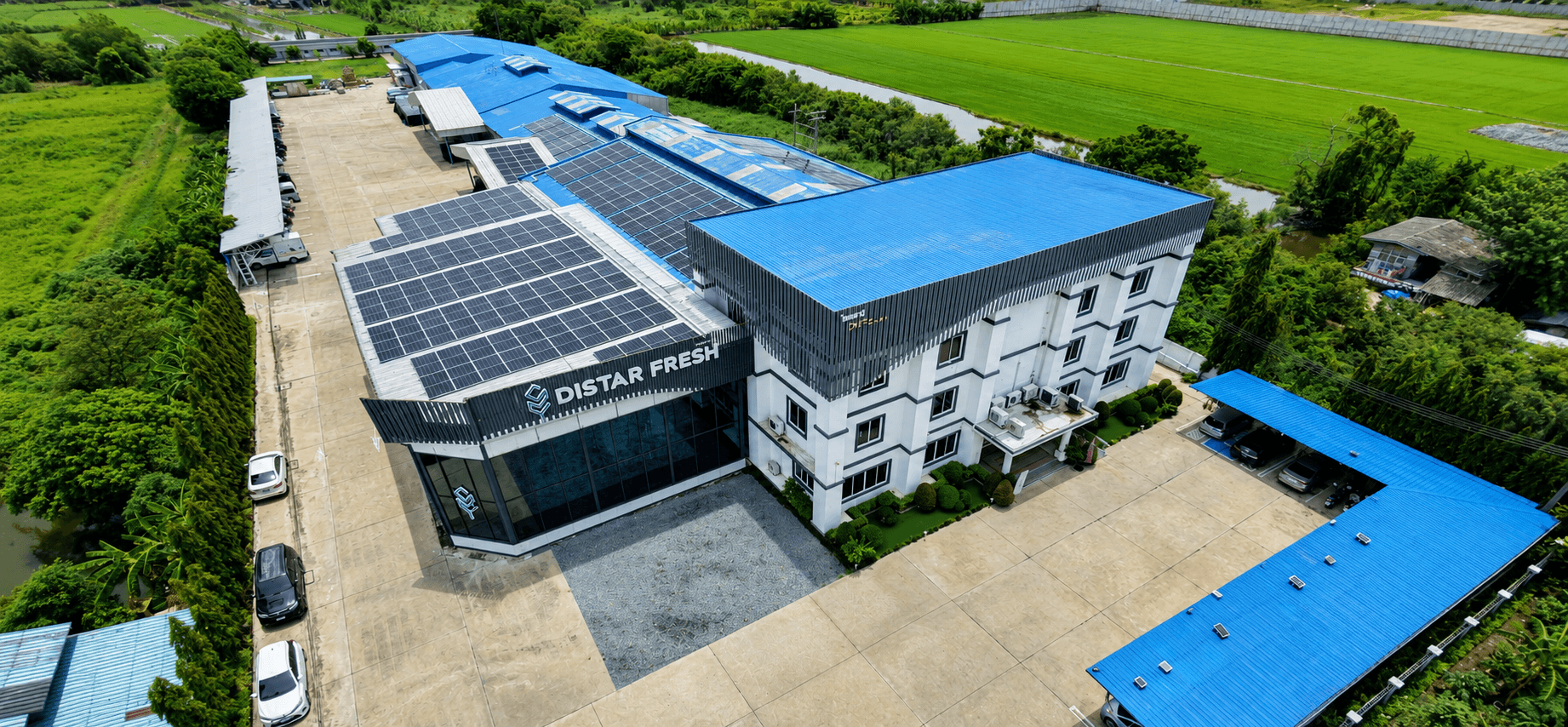
Build more resilient sourcing plans with a Thailand manufacturing discussion route for qualified commercial vehicle electronics projects.
Tariffs, policy shifts and logistics uncertainty can make sourcing riskier. Buyers need more than a factory location: they need a stable, document-ready delivery path.
Distar Mobility offers Thailand manufacturing as an RFQ option, helping teams review feasibility, project scope and quality documents before choosing a supply plan.
Additional supply-chain option for suitable vehicle electronics projects.
Confirm feasibility by product category, quantity, configuration, market and documents.
Review quality, certificate and origin documents during RFQ.
Confirm terms, schedule and compliance documents before order placement.
Distar helps buyers verify project fit, the manufacturing route, documentation and quality scope when evaluating the Thailand manufacturing option.
Add a second manufacturing route for projects that need more flexibility around market policy, tariff discussion or regional delivery planning.
Review which product families, assemblies, labels, packaging and order scopes can fit the Thailand manufacturing option.
Confirm inspection requirements, certificate files, report scope and buyer documentation before production planning.
Thailand manufacturing should be evaluated through a structured RFQ workflow so buyers can compare the option with clear scope instead of assumptions.
Share product direction, quantity, target country, expected schedule and origin or document requirements.
Confirm whether the selected vehicle electronics category can match the Thailand manufacturing option.
Review inspection items, sample needs, labeling, packaging and certificate or report files for the order scope.
Align commercial terms, production schedule, export documents and communication rhythm before final confirmation.
Buyers should confirm what can be supplied for the selected model and order scope, including inspection expectations, certificate files, labeling, packaging and shipment documents.
Origin, certificate and quality files should be checked against the specific model and RFQ scope.
Configuration, interface and software workflow discussions remain tied to the same project requirements.
Packaging, labels and shipment documents should be confirmed before production or batch release.
The Thailand route is positioned as a practical option for qualified projects, not a one-size-fits-all promise.
Not automatically. Availability should be confirmed by product family, quantity, configuration, schedule and document requirements during RFQ.
It can provide an additional supply-chain option for discussion. Final benefit depends on the buyer's destination market, product classification and confirmed order documents.
Available quality documents and inspection items vary by product model, target market and project scope. Please request the relevant files for your selected product before procurement or compliance review.
Send product category, quantity, destination market, compliance expectations and target schedule so the team can review the practical next step.
