
Configurable Modules
Combine cameras, displays, terminals and recording directions according to the vehicle mission.
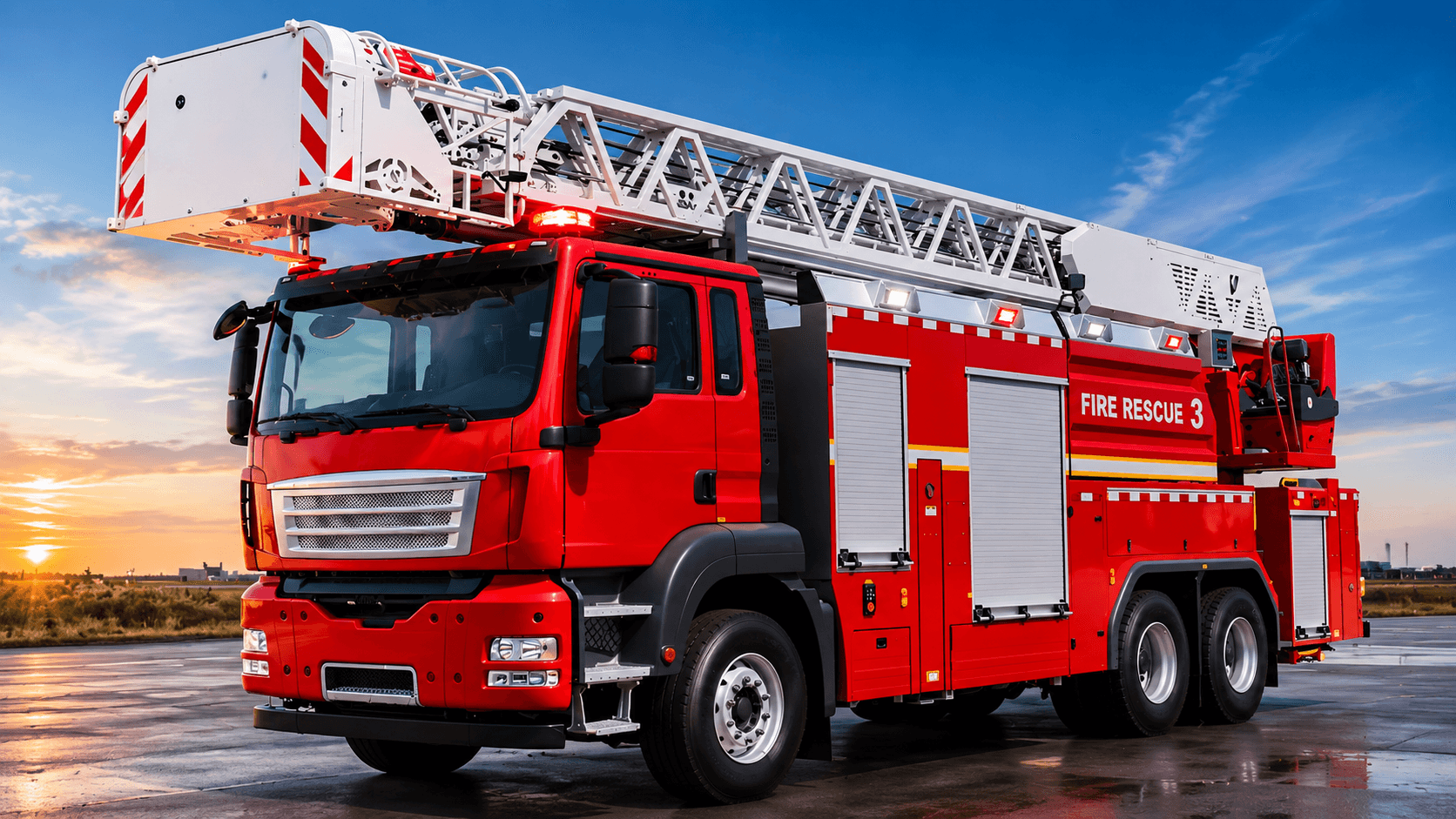
Configurable vehicle electronics systems for project-specific operating missions and vehicle layouts.
Special vehicle projects should not start from a fixed device list. They need a review of mission type, body layout, driver workflow and integration constraints.
Combine cameras, displays, terminals and recording directions according to the vehicle mission.
Review mounting positions, body structure and driver workflow before final hardware selection.
Align hardware, firmware, interface and platform needs with project-specific expectations.
Emergency, utility and engineering vehicles may require different visibility, control and recording workflows. The electronics plan should follow the real vehicle layout.
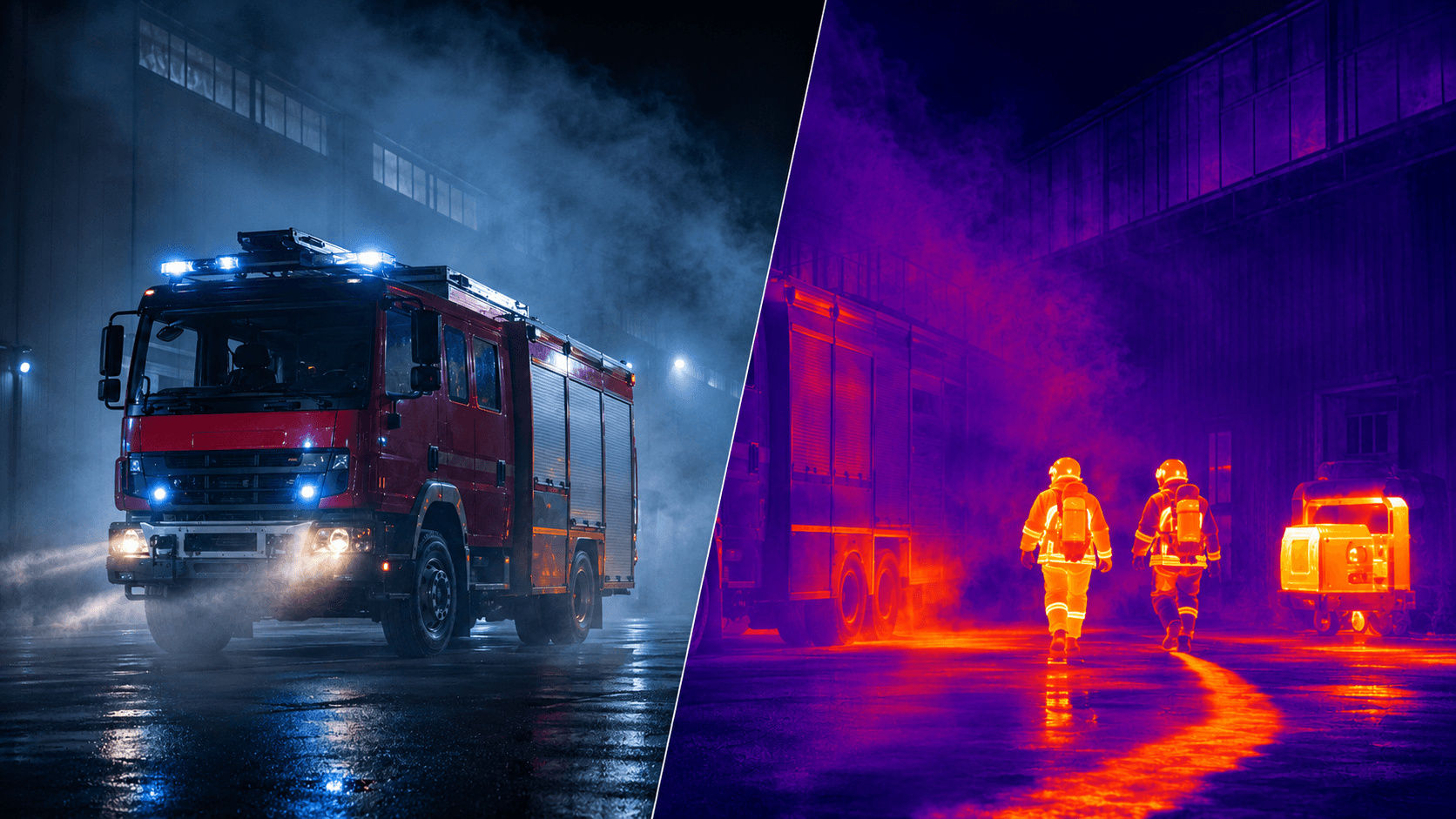
Thermal imaging helps special-purpose vehicles detect people, vehicles, animals, and other heat sources in darkness, smoke, fog, and challenging operating conditions. It provides an additional layer of visibility for emergency response, rescue operations, and high-risk field missions.
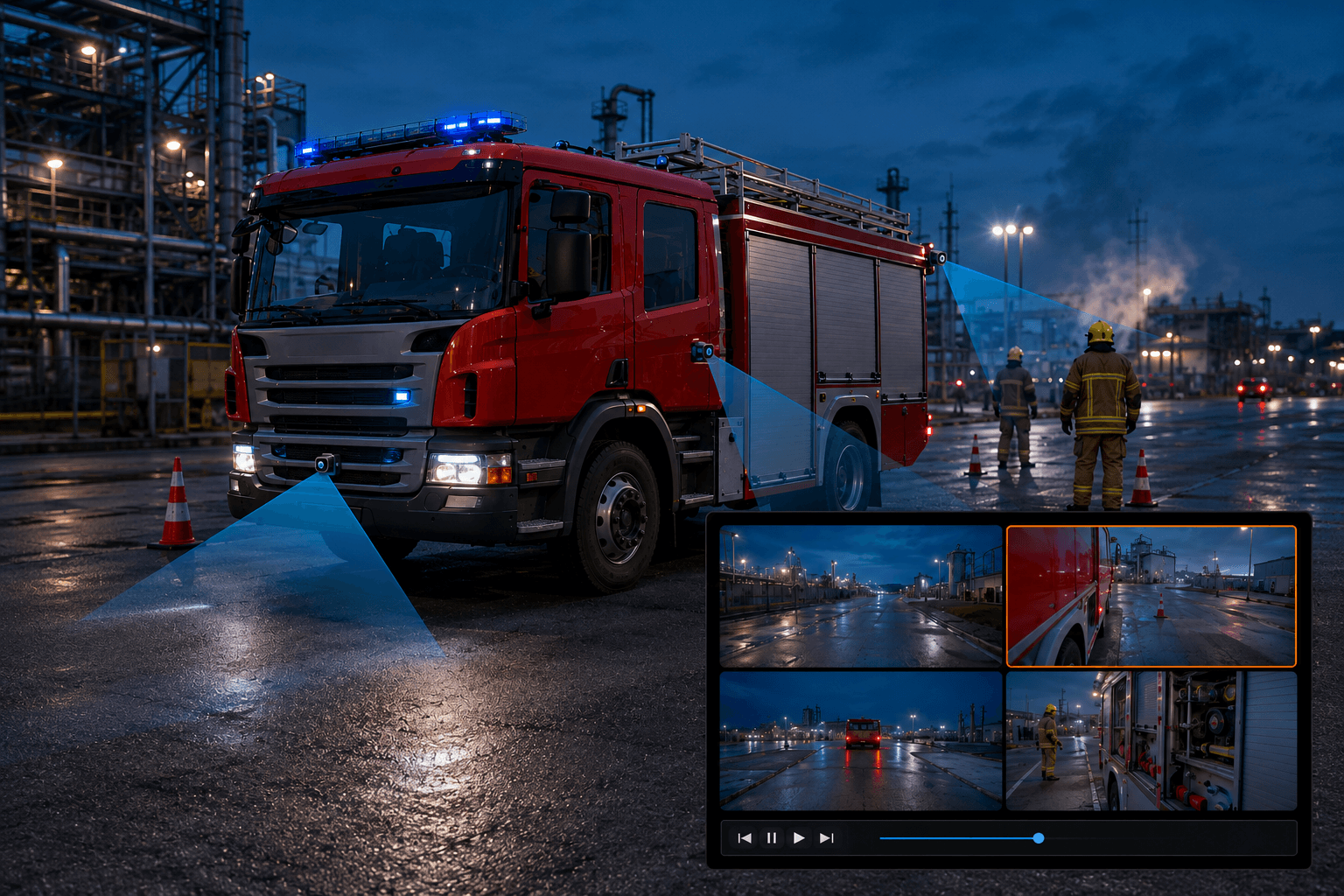
Video systems can support multi-camera recording, event evidence, remote review, and operational visibility for special-purpose fleets.
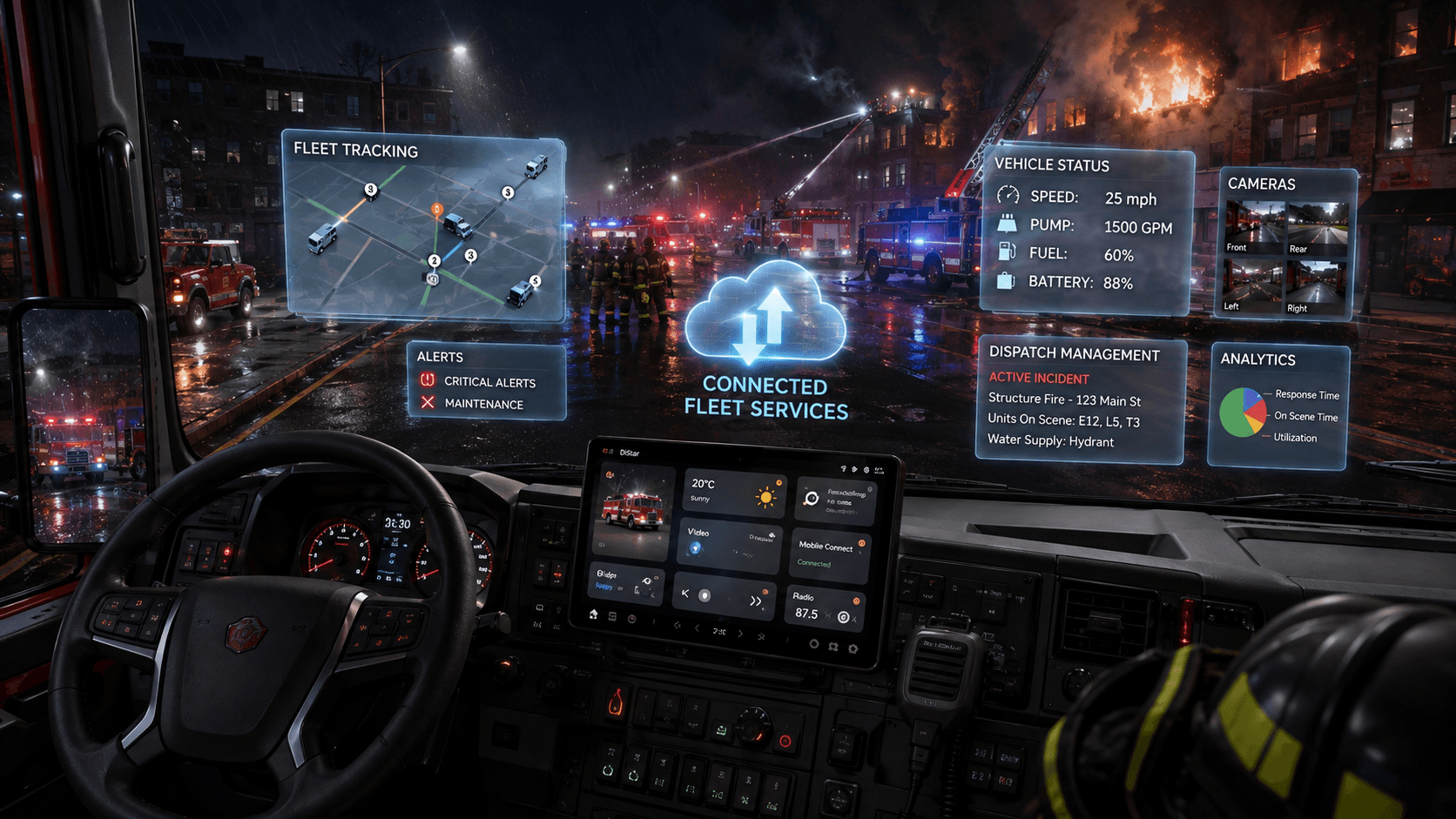
Special vehicle projects often need integration with an existing operation process. Final software and platform details should be confirmed around the buyer's workflow.
Tell us about your vehicle type, operating workflow and visibility needs. Review your software and integration requirements with our team before selecting devices for your project.
Start with your vehicle application, then review the relevant devices and system connections. Confirm installation requirements and compatibility with your existing equipment and software before selecting a configuration.
Cameras, DMS, ADAS, thermal or vehicle visibility devices according to scenario.
MDVR, displays, smart terminals and in-vehicle control units.
4G, GPS, vehicle status and remote access workflows.
Live video, playback, reports, API or private deployment directions.
Event review, fleet visibility, project acceptance and continuous improvement.
These answers outline common solution planning directions. Exact device models, certifications, lead time and service commitments can be confirmed during technical review.
Configuration options depend on the vehicle type, operating scenario, equipment and integration requirements. Share these details so Distar can review suitable products, system configurations and available technical documentation.
No. The safer path is to confirm vehicle type, operating workflow, installation constraints and integration expectations first, then map the right hardware and software modules.
Yes. Many vehicle projects combine cameras, displays, MDVR, smart terminals, GPS, software and platform integration. Final scope should be reviewed per project.
Share vehicle type, operating scenario, hardware requirements, software workflow and integration expectations so the team can review a suitable solution path.