Road Safety Evidence
Support driver behavior review, forward-road evidence and incident playback for commercial truck routes.
AI safety, road visibility, MDVR and fleet monitoring workflows for commercial truck operations.
Explore vehicle monitoring, driver safety, surround-view and connected fleet solutions designed for truck and logistics operations. Share your vehicle type, route conditions and project requirements, and our team will help identify a suitable system configuration.
Support driver behavior review, forward-road evidence and incident playback for commercial truck routes.
Connect vehicle video, GPS, device status and route records for dispatch and operation review.
Frame hardware, software and platform requirements around each fleet's workflow.
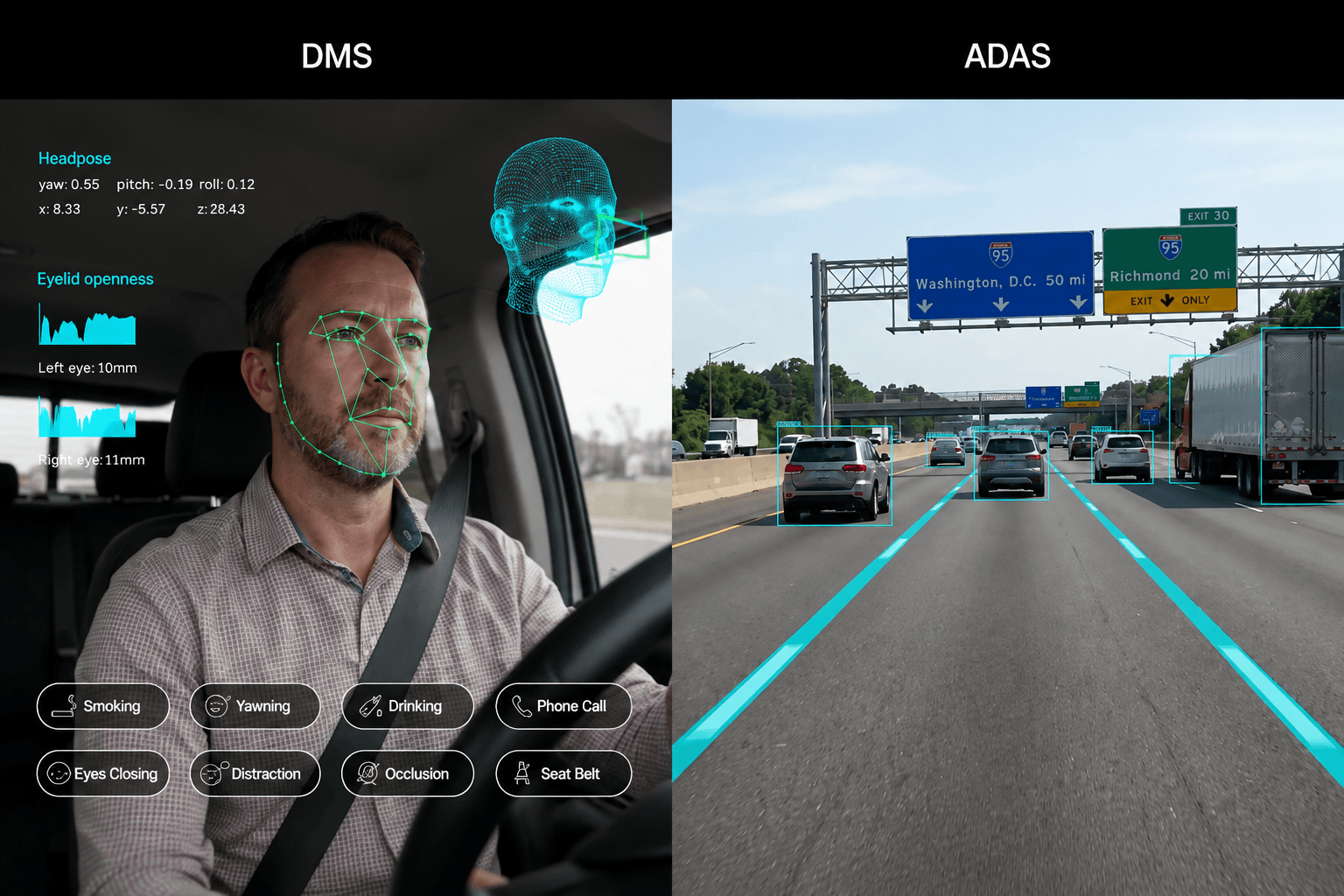
Commercial trucks often run long routes and mixed road conditions. Driver monitoring, road-facing camera evidence and alerts can help fleets review risk events and improve daily operating discipline.
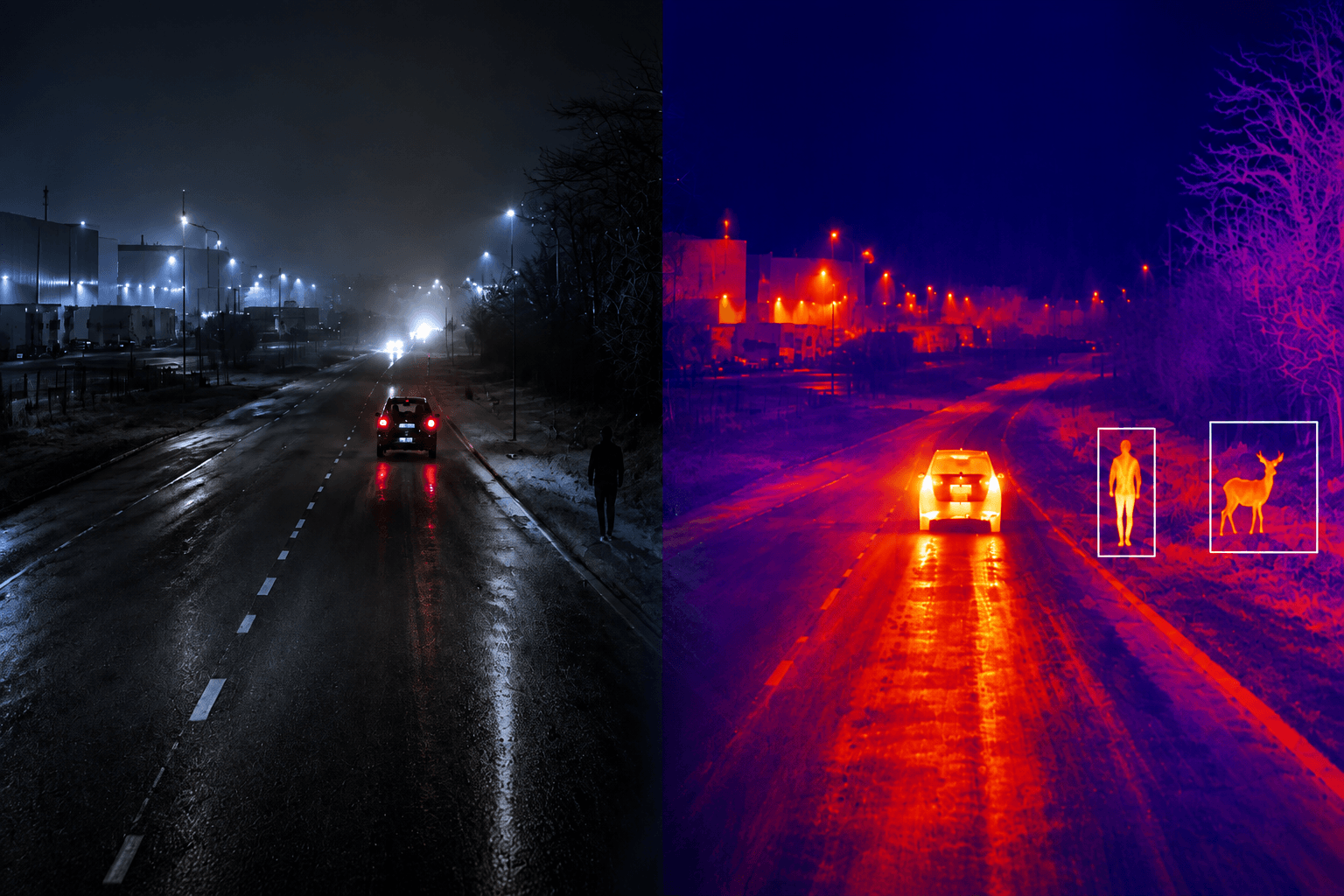
Commercial trucks often operate at night, in fog, glare, rain, or poorly lit industrial areas. Thermal imaging can help reveal the heat signatures of people, vehicles, and animals beyond the limits of conventional cameras, giving drivers additional visual support in challenging conditions.
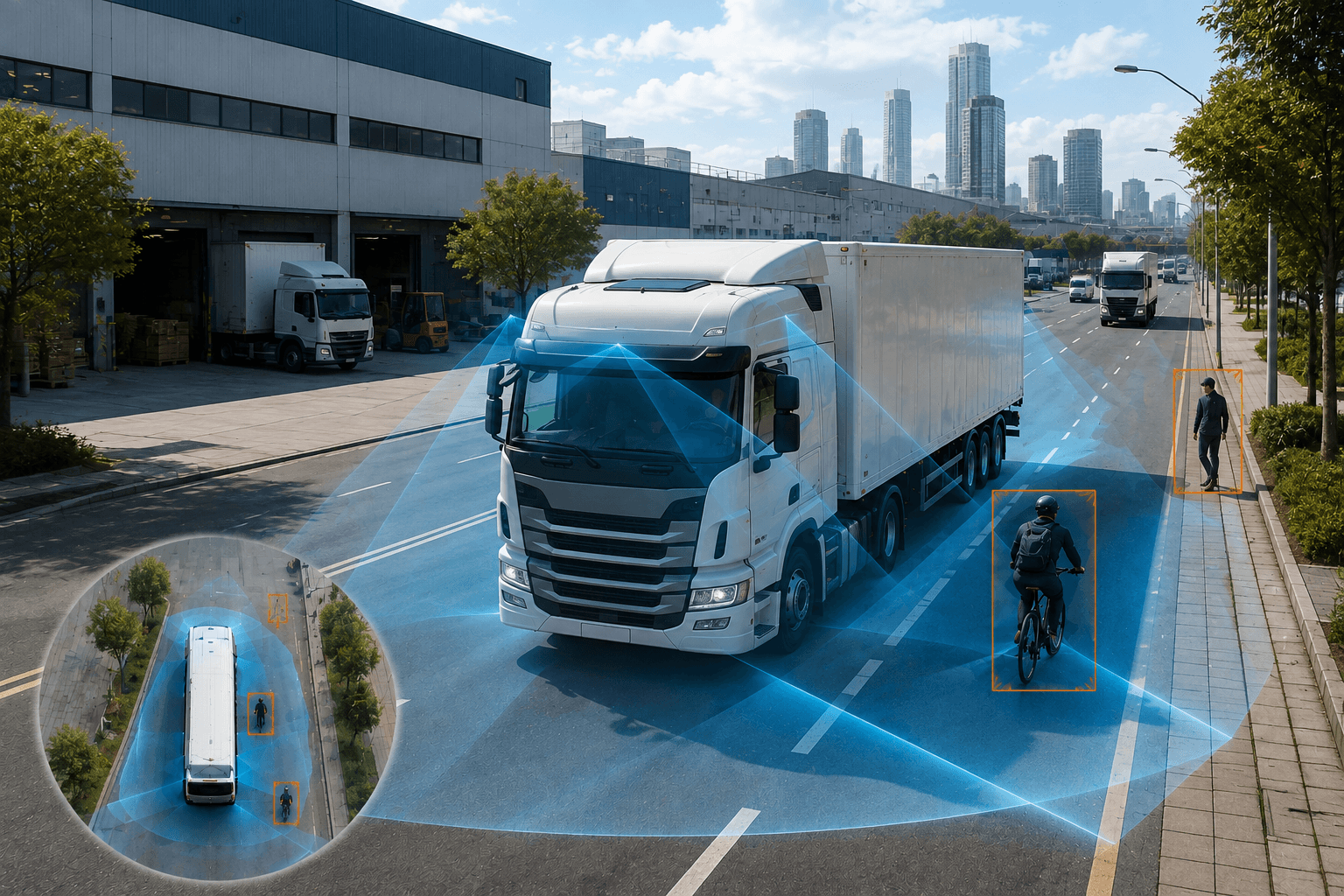
Commercial trucks have large blind zones around the vehicle, especially during reversing, loading, unloading, and maneuvering in tight areas. Surround-view and rear-view camera systems can provide a clearer view of the vehicle surroundings, helping drivers improve awareness and operate with greater confidence.
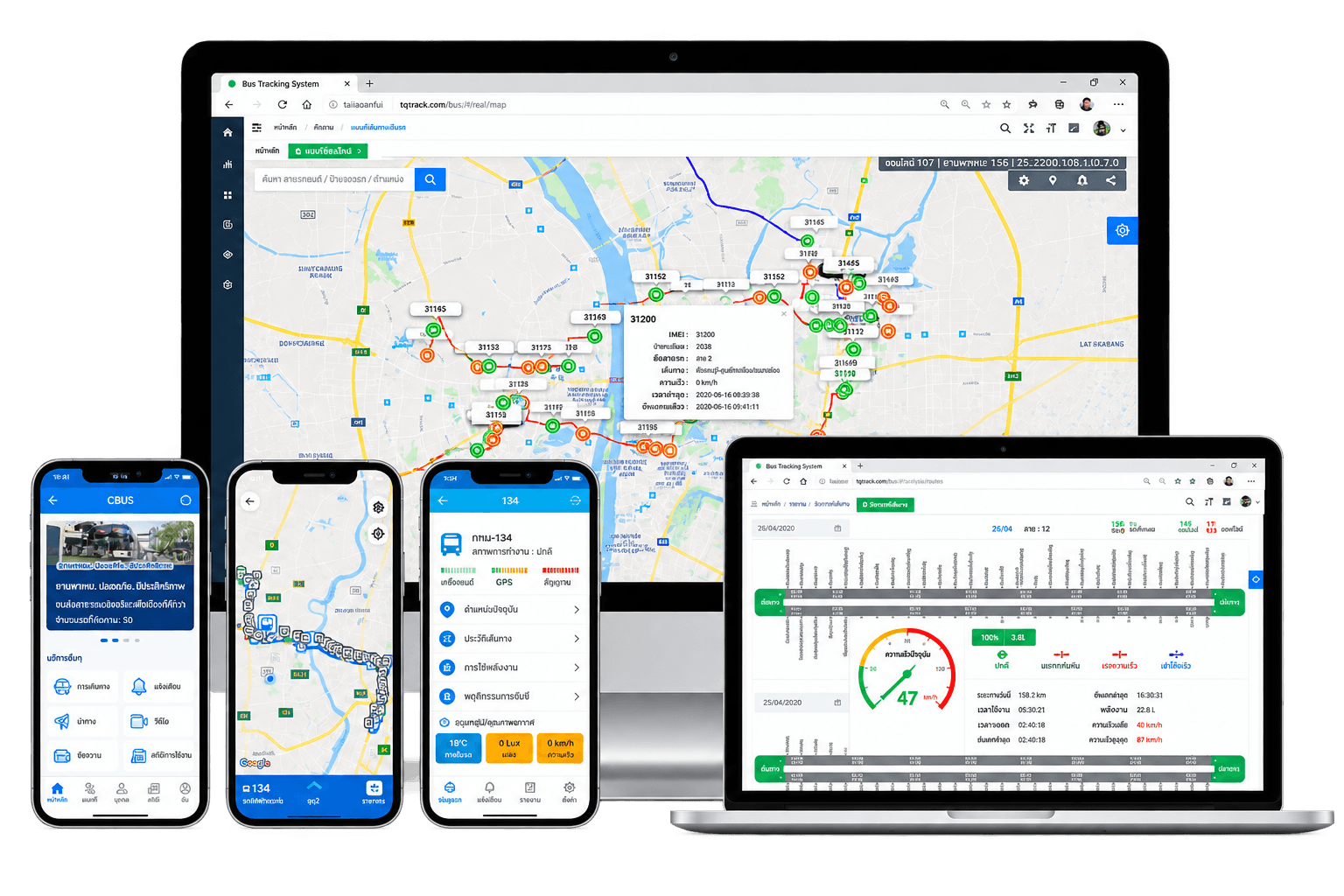
Truck projects may need cold-chain, cargo, driver, vehicle and route data to be reviewed together. The final system should match the fleet's dispatch workflow.
Tell us about your vehicle type, operating workflow and visibility needs. Review your software and integration requirements with our team before selecting devices for your project.
Start with your vehicle application, then review the relevant devices and system connections. Confirm installation requirements and compatibility with your existing equipment and software before selecting a configuration.
Cameras, DMS, ADAS, thermal or vehicle visibility devices according to scenario.
MDVR, displays, smart terminals and in-vehicle control units.
4G, GPS, vehicle status and remote access workflows.
Live video, playback, reports, API or private deployment directions.
Event review, fleet visibility, project acceptance and continuous improvement.
These answers outline common solution planning directions. Exact device models, certifications, lead time and service commitments can be confirmed during technical review.
Configuration options depend on the vehicle type, operating scenario, equipment and integration requirements. Share these details so Distar can review suitable products, system configurations and available technical documentation.
No. The safer path is to confirm vehicle type, operating workflow, installation constraints and integration expectations first, then map the right hardware and software modules.
Yes. Many vehicle projects combine cameras, displays, MDVR, smart terminals, GPS, software and platform integration. Final scope should be reviewed per project.
Share vehicle type, operating scenario, hardware requirements, software workflow and integration expectations so the team can review a suitable solution path.