Field Visibility
Use cameras and displays to support operator awareness around field machinery.
Durable monitoring, visibility and connected data systems for agricultural machinery.
Agricultural machinery projects should consider vibration, dust, field visibility, equipment workflow and operator interface before device selection.
Use cameras and displays to support operator awareness around field machinery.
Plan hardware and mounting around vibration, dust, outdoor work and long operating hours.
Connect equipment status and operation data into practical review workflows.
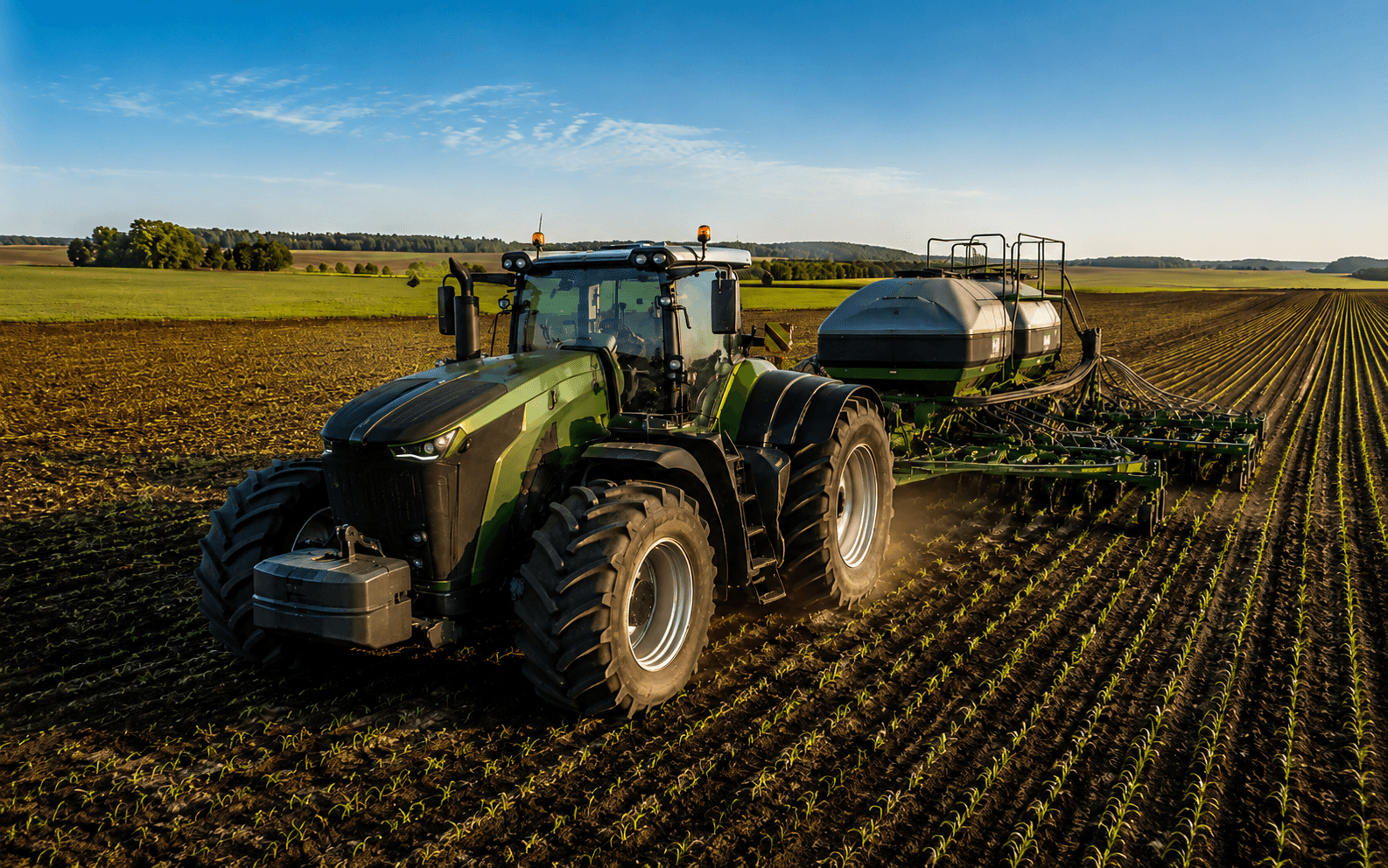
Agricultural equipment can work in open fields, dusty conditions and changing light. Camera and display planning can support clearer visibility around the machine.
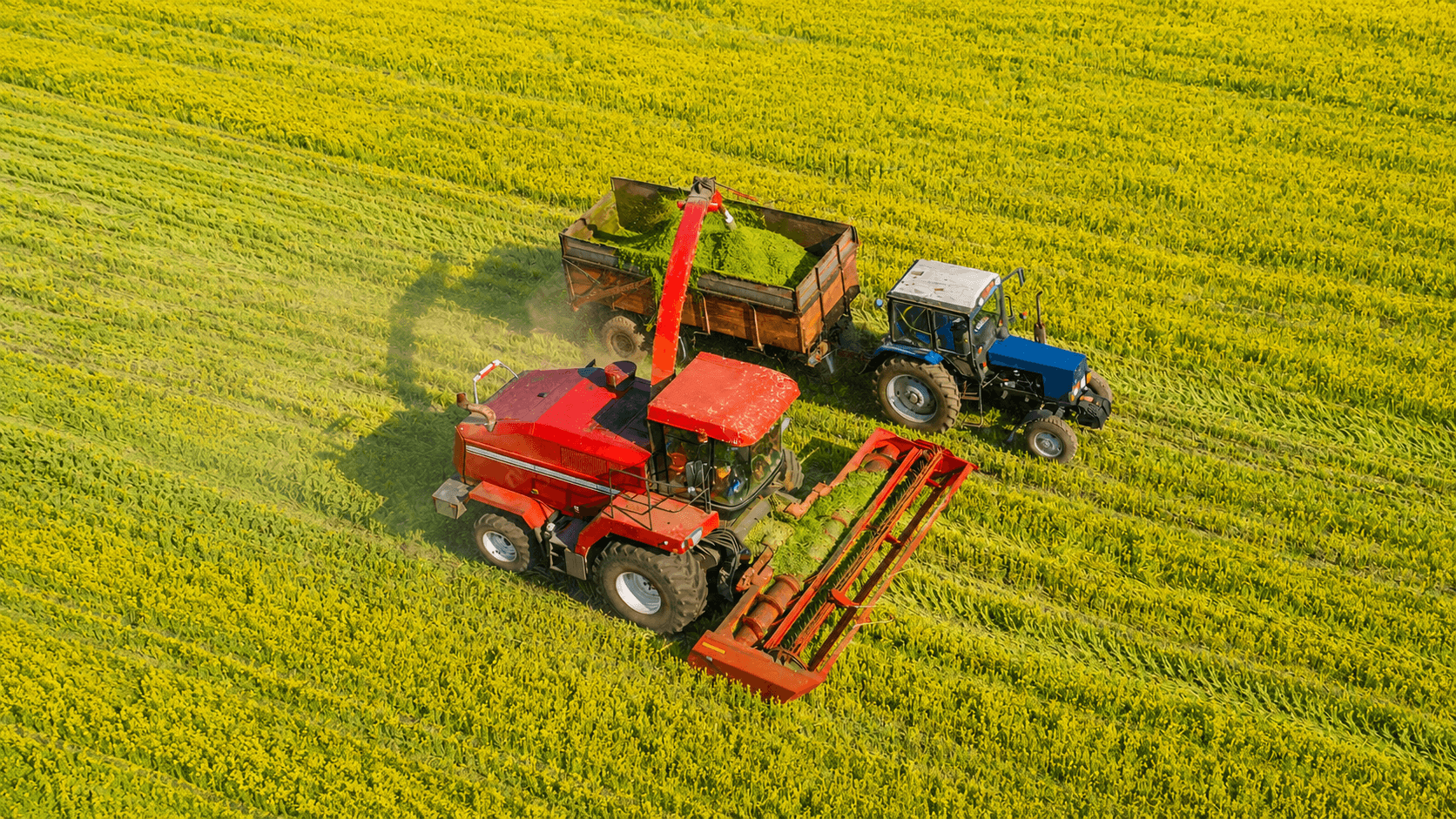
Field machinery needs hardware that matches vibration, dust, power and mounting conditions. Final product selection should follow the vehicle and use case.
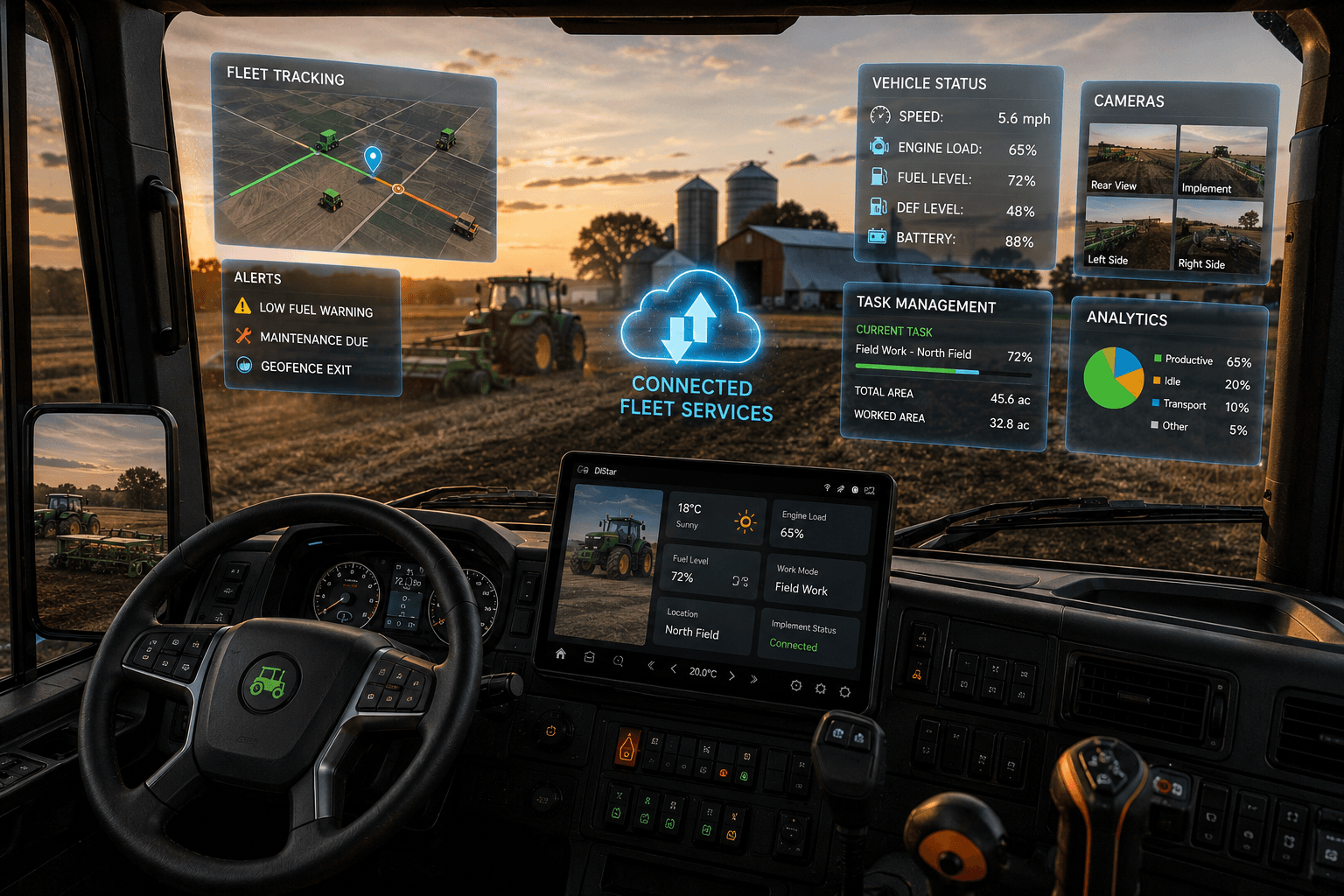
Connected data can help review vehicle status, equipment use and service workflows. The final scope should match the buyer's operation process.
Tell us about your vehicle type, operating workflow and visibility needs. Review your software and integration requirements with our team before selecting devices for your project.
Start with your vehicle application, then review the relevant devices and system connections. Confirm installation requirements and compatibility with your existing equipment and software before selecting a configuration.
Cameras, DMS, ADAS, thermal or vehicle visibility devices according to scenario.
MDVR, displays, smart terminals and in-vehicle control units.
4G, GPS, vehicle status and remote access workflows.
Live video, playback, reports, API or private deployment directions.
Event review, fleet visibility, project acceptance and continuous improvement.
These answers outline common solution planning directions. Exact device models, certifications, lead time and service commitments can be confirmed during technical review.
Configuration options depend on the vehicle type, operating scenario, equipment and integration requirements. Share these details so Distar can review suitable products, system configurations and available technical documentation.
No. The safer path is to confirm vehicle type, operating workflow, installation constraints and integration expectations first, then map the right hardware and software modules.
Yes. Many vehicle projects combine cameras, displays, MDVR, smart terminals, GPS, software and platform integration. Final scope should be reviewed per project.
Share vehicle type, operating scenario, hardware requirements, software workflow and integration expectations so the team can review a suitable solution path.