Introduction
Fleet safety Driver safety is always a big concern for fleet operators, who must adhere to strict safety regulations. Unfortunately, long-haul commercial drivers drive vehicles for extended periods. And poor sleep quality, frequently rotating schedules, and repeatedly driving on the same route can exhaust drivers both physically and mentally. This is known as fleet fatigue.
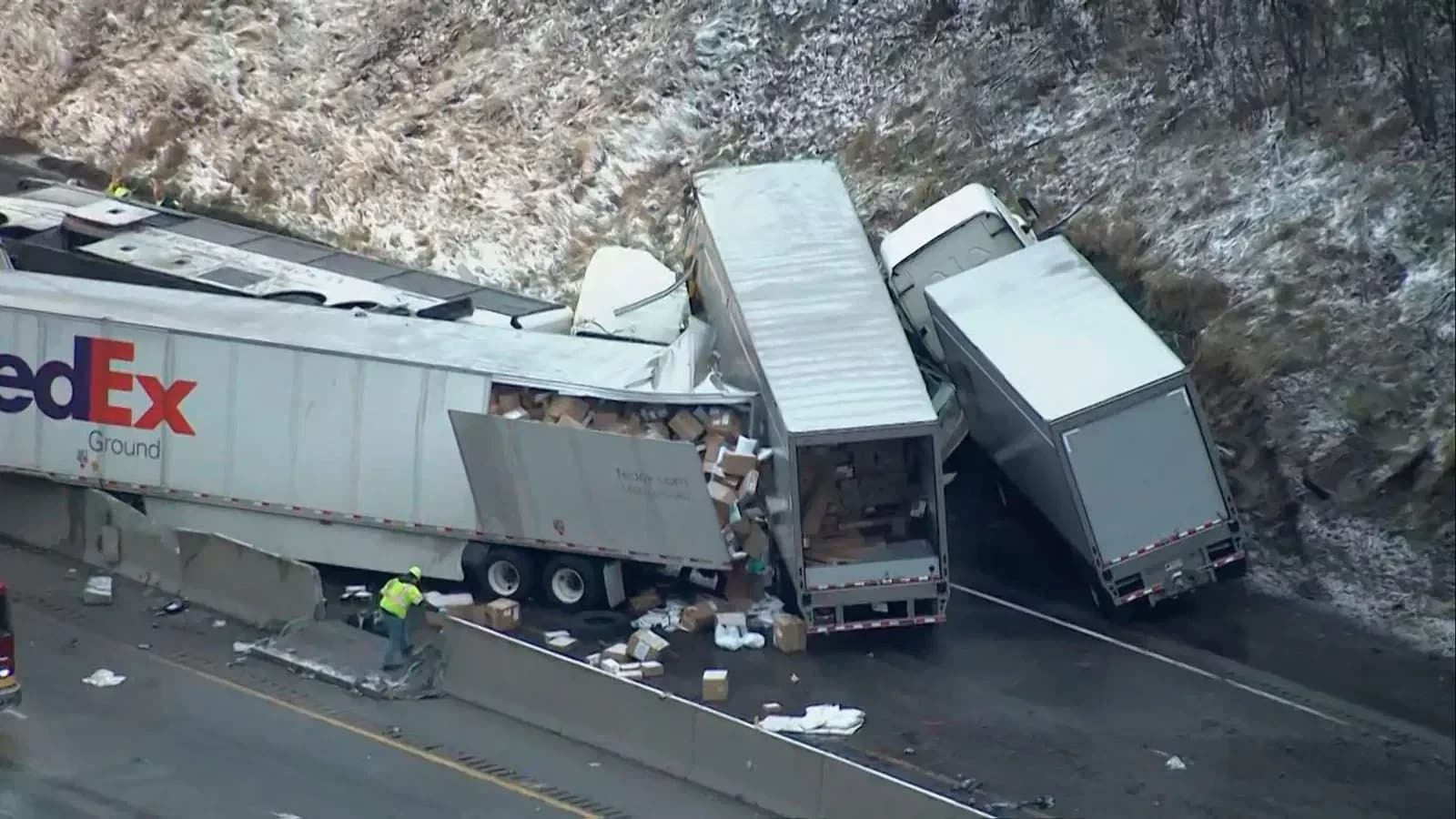
Fleet fatigue can slow a driver's reaction time, resulting in poor judgment. It can also cause drivers to fall asleep unintentionally for a few seconds. It can lead to an accident. A National Academies report notes that estimates vary, but fatigue may have been involved in about 10% to 20% of U.S. crashes involving trucks and buses.
Driver Fatigue and Fleet Safety Context
Although fleet owners make many efforts to ensure the safety of their fleet and drivers, these efforts are sometimes insufficient to detect fatigue effectively. Scheduling regular breaks and installing a collision warning system can help minimize the risks, but integrating multiple advanced safety systems is necessary to offer comprehensive protection.
This post discusses how ADAS and DMS together can reduce fleet safety Proactive risk management reduces risks to a great extent. However, before that, let us get to know why a single safety system is not adequate.
Why a Standalone Driver Monitoring System or ADAS Fails Fleet Safety
There are many transportation firms that install Driver Monitoring Systems (DMS) to keep an eye on their driver behavior data and ensure safety. Some fleet operators go for advanced technology like the Advanced Driver Assistance System (ADAS).
However, the challenges of commercial vehicle drivers are dynamic, and relying on only one technology can lead to safety blind spots, undermining driver safety.
DMS monitors only driver behavior, whereas ADAS focuses on road safety and helps reduce instances of looking away from the road. Therefore, none of them can provide complete protection alone. It results in incomplete protection.
If you rely only on ADAS, you miss driver-related risks. On the contrary, if you have only DMS, you can’t get to know about hazards on the road. ADAS may issue a warning to the driver, but what is the point if the driver is not alert or able to make the necessary decision immediately due to fatigue and distraction?
In short, the combined approach is necessary to improve fleet safety.
The Costly Accidents of Driver Fatigue in Commercial Vehicles
Drivers operate in different conditions. At times, they have to deal with heavy city traffic, while at other times they drive on dark highways, which can present various road hazards. Sometimes they also face adverse weather conditions.
Many fleet companies implement necessary fatigue management for drivers, but it is not adequate in preventing drivers from looking away from the road. Drivers can still feel tired due to continuous physical and mental strain. Things become worse if the driving schedules are not fixed, increasing the risk of reducing driver fatigue.
Overall, mental and physical tiredness can increase the chances of an accident several times.
- An exhausted driver may pose several safety risks. Mental tiredness can affect the concentration of the driver and their alertness.
- Without proper rest, a driver may make poor judgment that could be a threat to people on the road and to the driver too, highlighting the importance of safety management.
- Driver fatigue also increases the risk of microsleeps that may have serious consequences on the highway.
- An exhausted driver may also fail to notice important traffic signs and signals.
Why Standalone ADAS Cameras and DMS Technology Trigger False Alarms
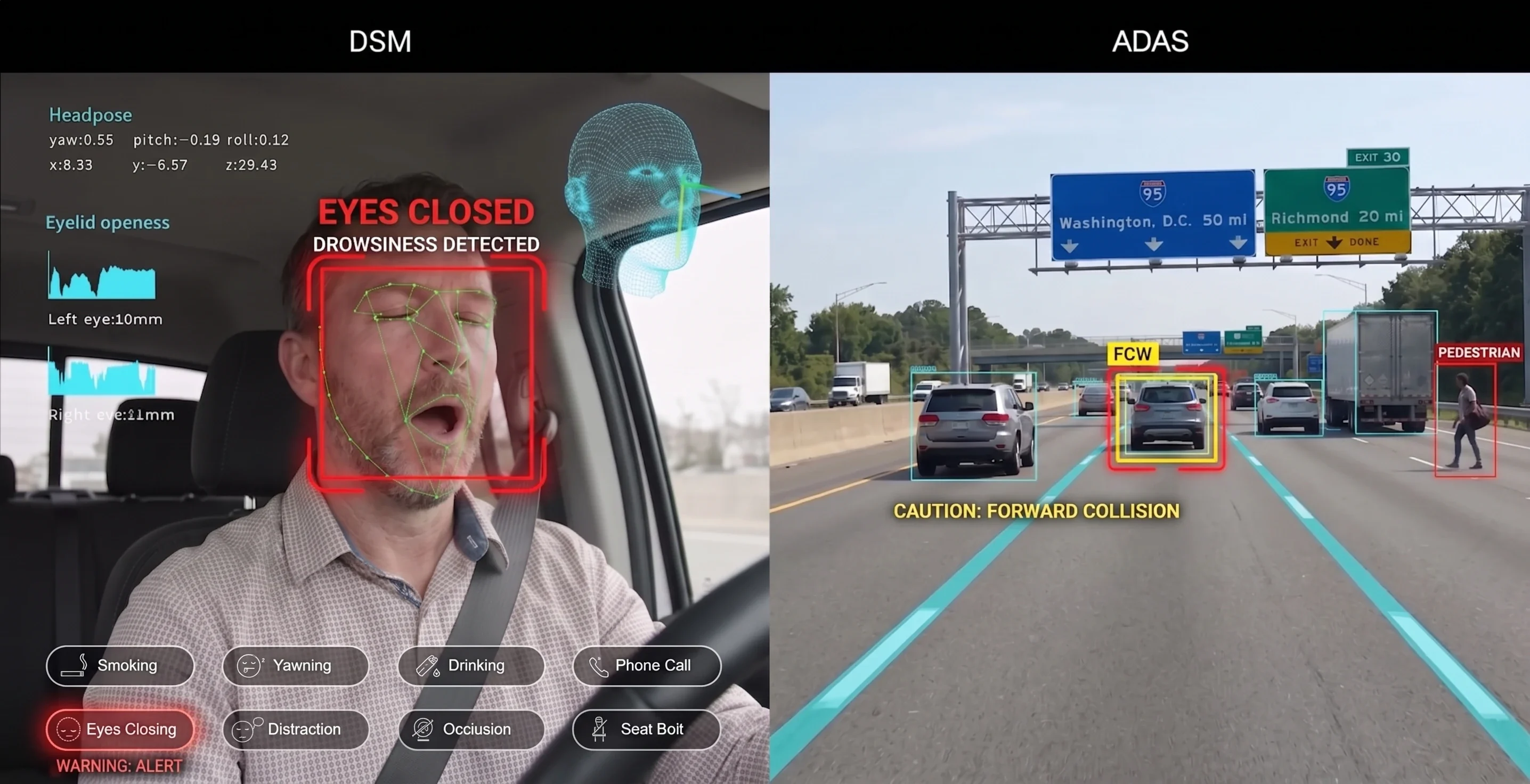
Advanced Driver-Assistance Systems (ADAS) analyze the things happening outside the vehicle on the road to warn the driver of potential hazards. It uses sensors and cameras to monitor the path ahead. This safety system comes with various features. For example, it can give crash warnings, prepare the emergency brakes, and detect people on the road.
ADAS also helps the driver maintain a safe distance from the vehicle ahead. It supports adaptive cruise control to maintain the speed of the vehicle.
Undoubtedly, ADAS does a lot of things, but it cannot figure out if the driver is distracted, talking on the phone, or feeling tired. There could be a chance the driver is changing lanes unintentionally because of fatigue. ADAS can detect many security threats but may fail to understand the underlying reason for driver fatigue or distraction.
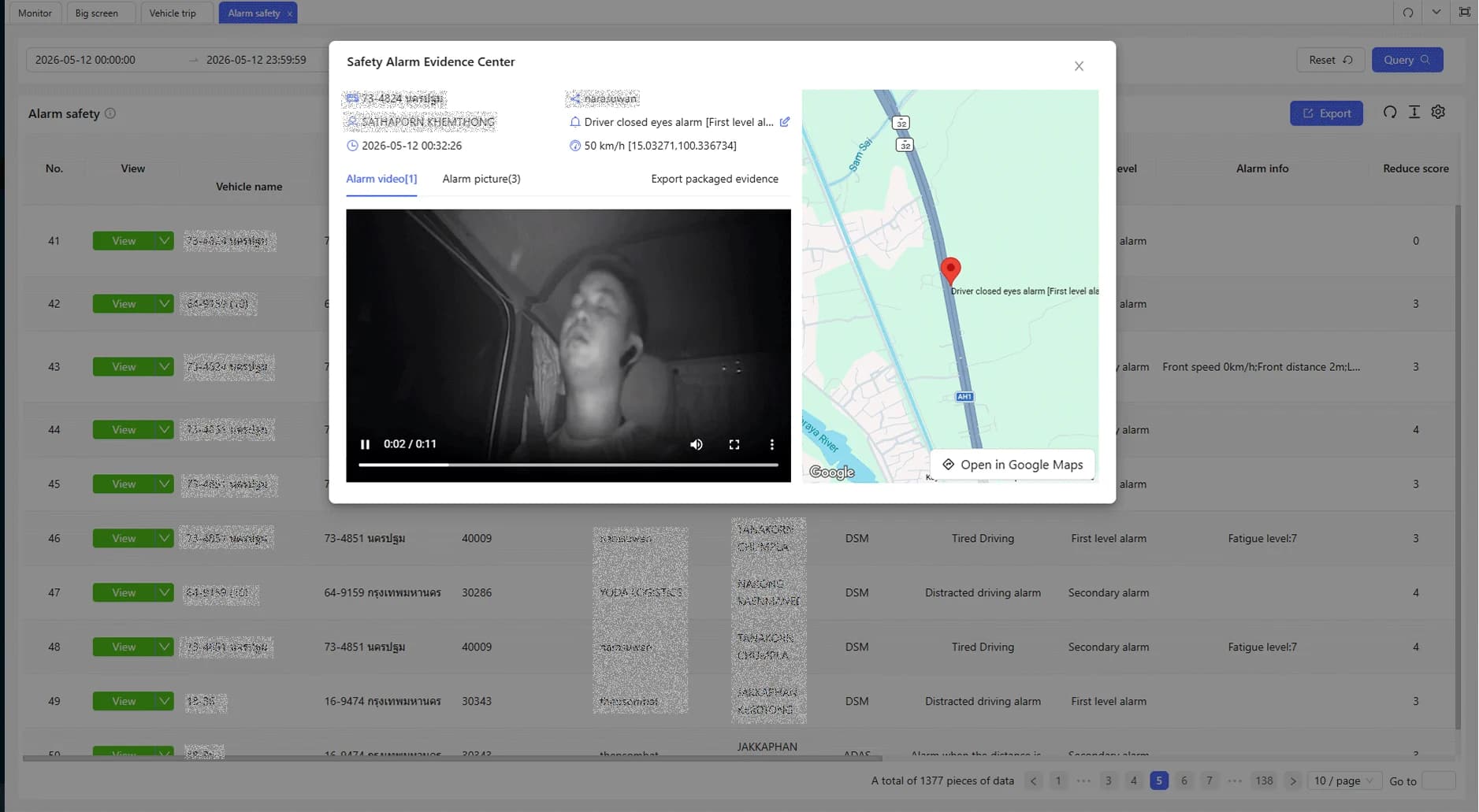
DMS also has many limitations when used alone, particularly in addressing driver fatigue or distraction. Since it is installed in the driver’s cabin, it notices the driver’s overall behaviour, such as sleepiness, phone usage, head position, and can detect potential fatigue. However, it does not identify an immediate safety threat. It can send alerts to the driver but cannot see the actual road conditions.
All in all, fleet operators using ADAS and DMS alone may not get the level of safety features required to significantly reduce accidents. The implementation of advanced safety features can significantly reduce fleet safety risks.They need to track driver fatigue and distraction effectively.
Integrated ADAS and DMS Risk Awareness
How ADAS and DMS Integration Helps Reduce Fleet Fatigue Risk
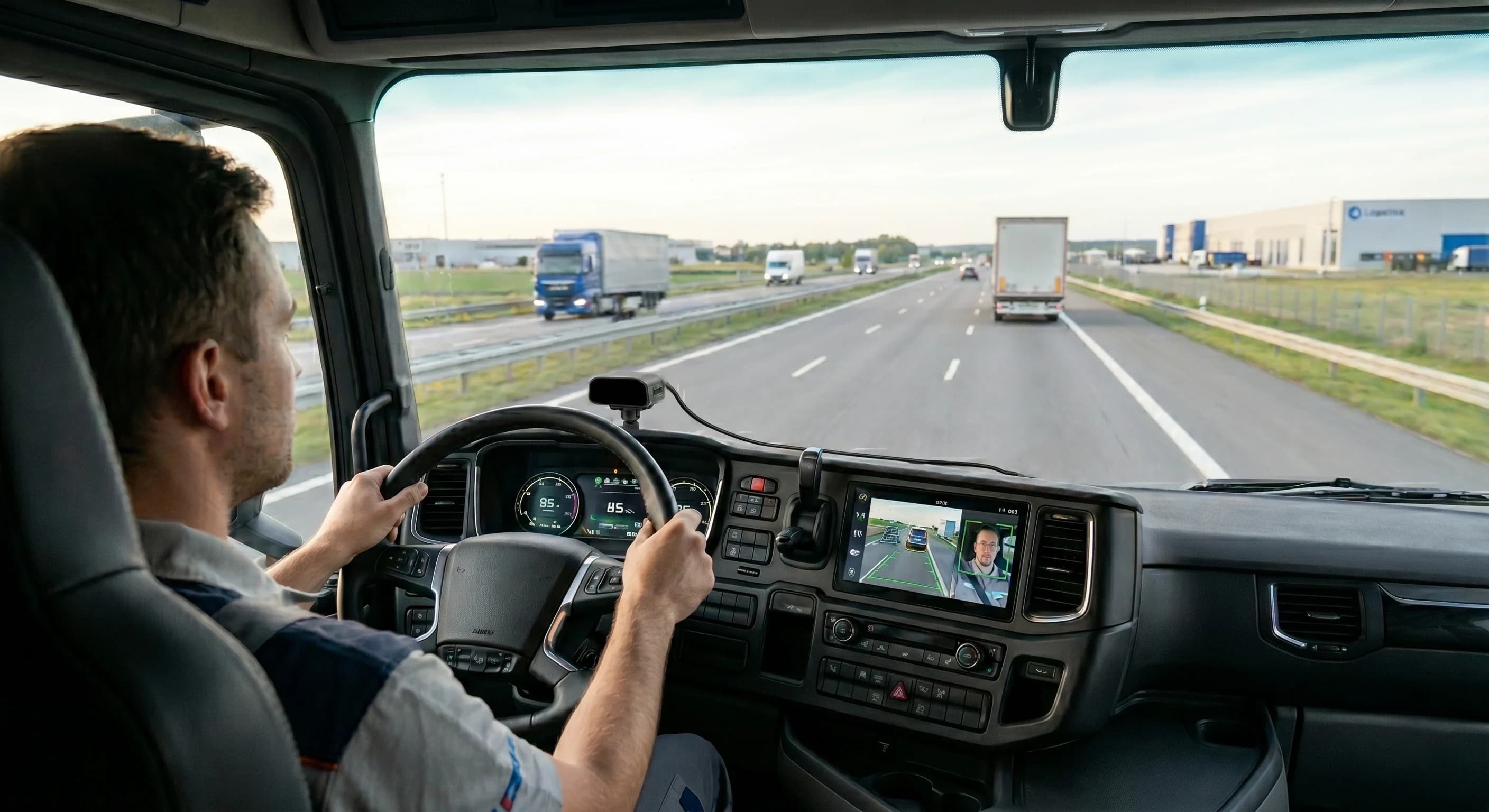
To enhance safety standards for both driver and fleet, it is a better approach to use ADAS and DMS together. When you have access to in-cabin monitoring and real-time road information, you can make better decisions.
The combined safety solution can analyze the driving conditions in and out. It can understand the behavior of the driver and the real-time condition of the road. Together, they can also improve warning accuracy and minimize false positives.
If a driver looks sleepy and the vehicle starts going toward a lane line, the combined technology can analyze the risk and give an immediate warning. In case the driver is not attentive for a few seconds, but the road is clear, the system may issue a soft alert only to prevent them from drifting out of its lane.
The combination of ADAS and DMS The system offers comprehensive safety technologies to improve overall fleet operations. Fleet safety is crucial for preventing accidents and ensuring driver safety. This system helps drivers analyze risks beforehand and improve road safety by detecting fatigue.
Modern commercial fleets nowadays prefer to adopt both ADAS technologies and DMS cameras to deal with potential risks during the journey and monitor the driver’s behavior.
The AI Tech Behind Integrating ADAS and DMS Technologies
ADAS and DMS technologies bring together two different sources of awareness, allowing drivers to make the right decision on time and ensure the safety of vehicles. DMS focuses on the driver’s behaviour while ADAS monitors the road and its surroundings. This combined perspective is known as dual-perception.
However, do you know what technology, including AI and machine learning, lets these dual perception systems work together?
Smart Hardware: Camera, Radar, and MDVR Terminals
Multiple hardware components help dual-perception systems collect information about the driving environment. A camera facing the road is the main component in ADAS that captures the driving environment ahead. Some ADAS systems come with radar sensors that function by transmitting radio waves and measuring their reflection from objects. Radar is capable of analyzing the speed and distance of other vehicles on the road, which is crucial for maintaining focus and avoiding looking away from the road.
DMS uses in-cabin cameras and AI to observe unsafe driving behaviors. Generally, these cameras are placed on the dashboard or near the windshield area to enhance the safety of the vehicle. It usually captures the driver's upper body, including the face.
A Mobile Digital Video Recorder (MDVR) can collect data from cameras and sensors, record video and events, and transmit selected information to fleet management platforms. This supports a connected review workflow for driver alerts and road-safety events.
AI Algorithms: Linking Driver Behavior with Road Safety
Hardware systems help the dual-perception system collect information from ADAS cameras and in-cabin DMS cameras. The system uses AI algorithms to analyze the collected information and identify risk patterns such as distraction, lane departure or possible fatigue indicators.
AI Systems function through their different algorithms. For example, computer vision models analyze visual data, such as traffic on the road, vehicles, pedestrians, etc. Similarly, machine learning algorithms assess the alertness and behavior of the driver.
ADAS subsystem is an individual functional module within the ADAS technologies system. Different subsystems continuously analyze the road situation using cameras, sensors, and radar. The ADAS system consists of various subsystems that work together to monitor the driver’s behavior and enhance safety.
Traffic Sign Recognition is one of the advanced safety technologies that can enhance driver awareness and warn the driver of potential dangers.
In short, ADAS and DMS modules provide complementary warning signals. DMS can help identify possible fatigue or distraction indicators, while ADAS focuses on road and lane-related risks.
- Lane Departure Warning
- Collision Warning
- Automatic Emergency Braking is a critical feature of ADAS technologies.
- Blind Spot Detection
DMS Data Logic and Alert Decisions
Like the ADAS subsystem, this is also an individual module within the larger DMS system. There are many subsystems within the DMS system. They analyze the different aspects of the driver's behavior to monitor driver behavior effectively.
These subsystems keep an eye on the driver’s face and head position, gaze direction, eye movements, body posture and symptoms of fatigue.
Different subsystems focus on different signals, such as head position, gaze direction or driving behavior patterns, and can support visual or audible alerts when risk indicators appear.
Data Logic: How the System Makes Smarter Decisions
The dual-perception system acts smartly to alert the driver when necessary. It does not take every warning as a safety threat. It compares information from both the ADAS and DMS subsystems logically and determines whether it should send an alert or not.
You can understand it with an example of how safety by monitoring can improve outcomes. Imagine the driver is looking away for seconds while driving, and DMS detects it to intervene and alert the driver. Simultaneously, ADAS finds that the road is empty and there is no immediate threat, contributing to overall safety management. In this case, the system might ignore it or may send a soft alert.
In the same way, if the DMS notices the sign of fatigue, the system won’t rely on that single piece of information, as it aims at reducing driver fatigue. It will also check if the vehicle speed is inconsistent or drifting out of the lane.
The dual-perception approach analyzes the logic to make smarter decisions to prevent alert fatigue and enhance driver safety through AI and machine learning.
Real Scenarios: Smart Risk Mitigation in Action
Modern fleet safety systems are smart enough to detect risks and act appropriately based on the actual situation. Since they combine information from the driver's cabin and real-time road conditions, they can identify real threats and enhance the safety of the driving experience.
Let us learn how this dual safety system differentiates between normal driving and distraction to enhance driver safety.
Reducing False Alarms with an Integrated ADAS and DMS Camera System
False alarms can distract drivers and create frustration. Some behaviors that look risky to a camera may be part of normal driving, such as checking side mirrors before changing lanes. Integrated ADAS and DMS review can help reduce unnecessary alerts by comparing cabin behavior with road conditions.
To address this issue, dual-perception safety systems can use step-by-step warnings to alert the driver and support earlier risk awareness.
Step-by-Step Warnings: Three Levels of Alert and Action
Fleet safety systems do not respond to every event; rather, they follow a warning strategy. They modify the intensity of the response as per the level of risk. The safety system comes with three levels of alert and intervention.
The first level is designed for early signs of fatigue, such as frequent blinking or prolonged eye closure. In this case, the system responds with a gentle audio reminder and alert for mild fatigue.
If distraction or possible fatigue indicators continue, the system can intensify the alert, encourage the driver to take a break, and provide audible or visual warnings depending on the selected configuration.
A higher-level alert may apply when driver attention appears reduced or when road-risk indicators become more urgent. The goal is to provide timely warnings, not to diagnose a medical condition.
If the system detects a higher collision risk, it can provide warnings and event information for driver response and fleet review. Any braking or control-related function depends on the specific vehicle system and confirmed configuration.
Night and Bad Weather: Cross-System Performance Backup
One advantage of ADAS and DMS integration is that each system can provide complementary information when conditions affect the other system.
ADAS performance can be affected by darkness, rain, snow, fog, sensor placement and other operating conditions.
DMS is installed inside the cabin, so it may continue monitoring driver attention when exterior sensing is affected, provided cabin lighting, camera placement and software configuration support reliable detection.
So if ADAS performance is compromised, DMS can still issue a warning if the driver looks distracted or tired.
Similarly, if DMS is not able to detect the driver clearly due to low cabin lighting or any other reason, it may fail to monitor fatigue detection effectively. ADAS can still monitor the road condition, collision risk, and lane position.
This cross-system performance backup is crucial for fleet safety.
From Edge to Cloud: Complete Fleet Management and Vehicle Safety
Nowadays, fleet operators take a comprehensive approach to ensure commercial vehicle safety. They manage risks at different phases of the trip through different mediums.
Before the Trip: Driver Identity Verification and Risk Review
Risk management can start before the trip begins. Where supported by the selected system, fleet teams may verify driver identity and confirm that the correct driver is assigned to the vehicle.
Fleet safety reports can also help managers review previous speeding events, harsh driving records, drowsiness alerts and other risk indicators before assigning follow-up coaching.
On the Road: Real-Time Video & Instant Cloud Alerts
Throughout the trip, hardware components installed inside the vehicle continuously process data from cameras and sensors. Therefore, alerts are issued immediately if driver distraction or fatigue is noticed.
During a serious safety event, the system can send video footage and vehicle information to the cloud platform. Fleet managers can then review the incident and take follow-up actions to reduce future risk.
After the Trip: Driver Behavior Reports & Safety Coaching
As the trip gets completed, the collected data about drivers is analyzed and organized into behavior reports. The fleet management team studies these reports to evaluate driver performance and risk patterns.
This approach helps develop safer driving practices, deliver effective training to drivers, and significantly reduce overall accident rates. fleet safety.
This approach helps support safer driving practices, driver coaching and more consistent fleet safety review.
Business Value: How Fleet Safety Operations Lower Commercial Vehicle Costs
The upfront investment of ADAS and DMS integration may seem considerable, but it is crucial for enhancing vehicle safety. However, in the long run, it significantly reduces the cost of the fleet while enhancing safety. Wondering how to enhance the safety and efficiency of driving?
Reducing Accident-Related Costs and Insurance Review Pressure
Fewer safety incidents can mean fewer claims and less administrative pressure. Insurance outcomes depend on local policies, fleet records and insurer review.
ADAS and DMS integration can support earlier risk awareness and help fleet teams review accident-related events more clearly.
Low Risk of Cargo Damage & Vehicle Downtime
In an accident, there is always a risk of injury, loss of life, and damage to the vehicle. The loaded goods can also get damaged. Repairing a vehicle may take several hours, which can disrupt delivery schedules, resulting in significant financial loss.
With safety systems, drivers can identify the risk and make better decisions to prevent collisions, playing a crucial role in enhancing safety and operational efficiency. Implementing ADAS technologies can save costs by preventing accidents..
Take Your Brand Reputation to the Next Level
Integrating a safety system in your fleet mitigates safety risk. It also builds your brand reputation. People choose fleet operators with good safety records. It builds customer trust and brings repeated customers, especially when safety technologies, such as DMS and ADAS, are prioritized to enhance the safety and efficiency of the fleet.
Next-Gen Tech: The Future of Smart Transportation
Like every industry, the transportation industry is evolving. With time, it is becoming smarter, especially in terms of safety by monitoring driver behavior data.
With increasing pressure to improve safety and minimize operational risks, fleet operators are adopting dual-perception systems as an effective safety solution.
Move to Integrated Dual-Perception System
By using ADAS and DMS cameras, fleets can monitor driver behavior more effectively. ADAS and DMS technologies together, you can achieve the next level of safety. Together, they give you clear information about both road hazards and driver behavior, which is essential for effective fleet operations. As a result, you evaluate risk factors more accurately in real time, enhancing driver safety.Take the next step toward smarter and safer transportation. Integrate the dual-perception safety system from Distar Mobility. Contact our expert team now to learn how our integrated ADAS and DMS solution can work for your fleet and strengthen your risk management.