Introduction
Whether you run a logistics and freight company or a transportation firm, it is crucial to manage your fleet systematically to support your business. After all, your vehicles are the backbone of your business.
In the modern competitive world, fleet management needs to be modernized as well. It is not convenient anymore to depend on conventional systems to manage a large fleet of vehicles.
Managing everything manually can be confusing and make it difficult to notice unnecessary expenses. So how can fleet operators overcome these challenges? Don't worry. Fleet management systems can help.
These systems streamline operations by combining the monitoring of vehicle safety, driver performance, and fuel usage in one place. This approach helps fleet owners reduce their operating costs substantially.
Discover What is Truly Inflating Your Fleet Management Cost
Are your fleet expenses growing day by day? First, you need to identify areas where your business is losing money. Generally, fleet managers focus on larger purchases like buying vehicles, paying drivers' salaries and insurance premiums, but tend to forget smaller variable costs.
They don't realize that uncontrolled fuel wastage, sudden repairs, and unnecessary idling also add to their operating costs.
Key Challenges: Fuel Prices, Costly Vehicle Maintenance, and Downtime
Rising fuel prices haunt many fleet managers. While they can't cut the amount of fuel they actually need to run fleet vehicles, they can control fuel wastage. Unnecessary driver idling, traffic, and fuel theft could be reasons for high fuel bills.
Sudden vehicle breakdowns are another challenge for fleet managers. It often results in significant repair expenses. Additionally, it leads to vehicle downtime that may further cause various other issues, such as missed product deliveries and permanent customer loss.
Optimize Business Operations with Integrated Fleet Management Software
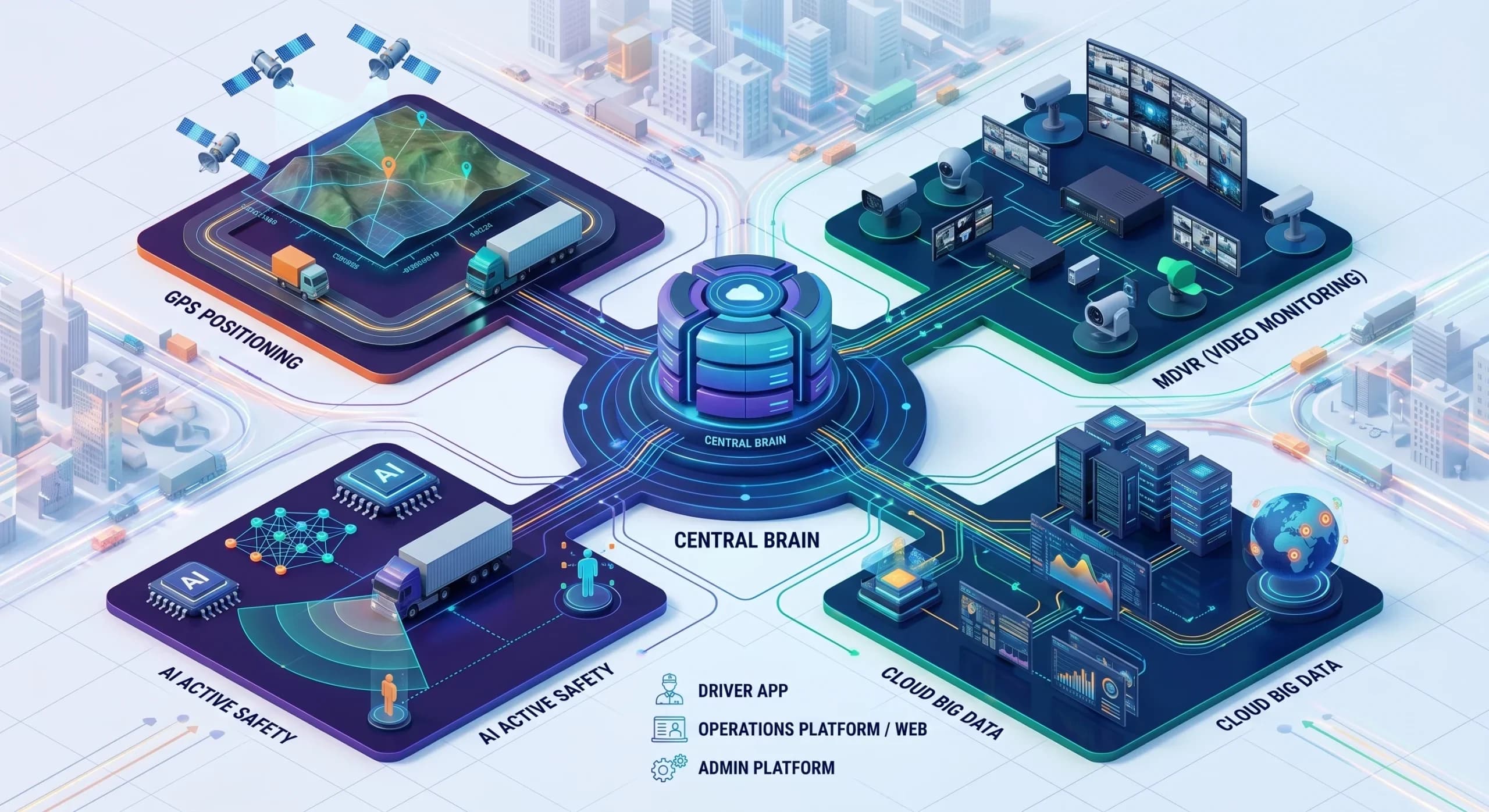
When your fleet size grows, it becomes difficult to manage each in-vehicle fleet technology separately. Analyzing data and reports from GPS, fuel sensors, and cameras may take hours, which is not ideal for effective fleet management.
Modern fleet management systems can bring this fleet management technology into one centralized platform. These systems combine data from multiple sources through sensor fusion.
Therefore, they help fleet managers get a comprehensive view of operations. On the basis of data analysis, managers can make strategies to cut down their operational costs.
Your Roadmap to Cost Reduction and Fleet Cost Savings
To reduce your fleet operating cost, you need to bring improvements in various areas of your business. It may seem challenging, but it can be achieved with a proactive fleet maintenance approach.
This post covers four pillars, following which you may reduce your operational costs.
The First Pillar: Proactive Fleet Maintenance to Prevent Costly Repair
Emergency repairs are always expensive. If your vehicle breaks down suddenly in the middle of a highway, it can cost you a lot of money, especially if some crucial components are damaged.
On-time servicing and minor repairs during maintenance can help you avoid emergency situations.

Proactive Maintenance Workflows
Take Advantage of Automated Maintenance Reminders
When you have many vehicles in your fleet, you can't remember the service date for each one. Changing engine oil, brake inspections, and filter replacements are some of the important tasks covered during routine maintenance.
A fleet management system can help you plan maintenance for your vehicles. Since it can monitor your vehicles' health by analyzing data from different sensors and tools, it can send an alert for maintenance. Depending on the system and its settings, you may receive maintenance alerts based on engine runtime and mileage.
On-time maintenance can save you from emergency repairs, downtime, and a poor reputation.
Maintenance requirements of every commercial vehicle are different, as they depend on various factors. A truck that operates for 10 to 12 hours on long-haul routes has different service requirements from one that operates for 5 to 6 hours on urban roads.
A modern fleet management system automatically tracks mileage and engine hours so you can schedule service based on actual data rather than on a rough estimate.
Listen to Your Engines Through Real-Time Digital Diagnostics
Many fleet management systems can also track the condition of your vehicle's engine by using data from in-vehicle sensors. They can assist in detecting unusual engine activity, like excessive emissions or overheating.
Diagnostic trouble codes (DTCs) can help maintenance teams narrow down likely fault areas. The final diagnosis still depends on vehicle-specific inspection, service history and technician review.
Fleet management systems collect these codes and provide real-time alerts. They help fleet managers and operators arrange necessary repairs to avoid roadside breakdowns.
On-time fleet maintenance helps minimize the total cost of ownership (TCO) to a great extent. It plays a significant role in keeping the repair cost low. Since it helps improve the lifespan of vehicles, it automatically boosts productivity.
The Second Pillar: Maximize Fuel Efficiency to Reduce Fleet Expenses
Fuel is one of the expenses fleet owners bear every time their vehicle is in operation. If you can prevent fuel wastage, you can save a significant amount of money every year.
While you cannot avoid fuel costs, there are several ways to improve fuel efficiency and reduce fuel costs. Your fleet management system can help you keep an eye on fuel consumption. It can analyze unnecessary fuel wastage by monitoring driver behavior. The system can use cameras and other on-board devices to monitor engine idling, aggressive driving, and off-route driving.
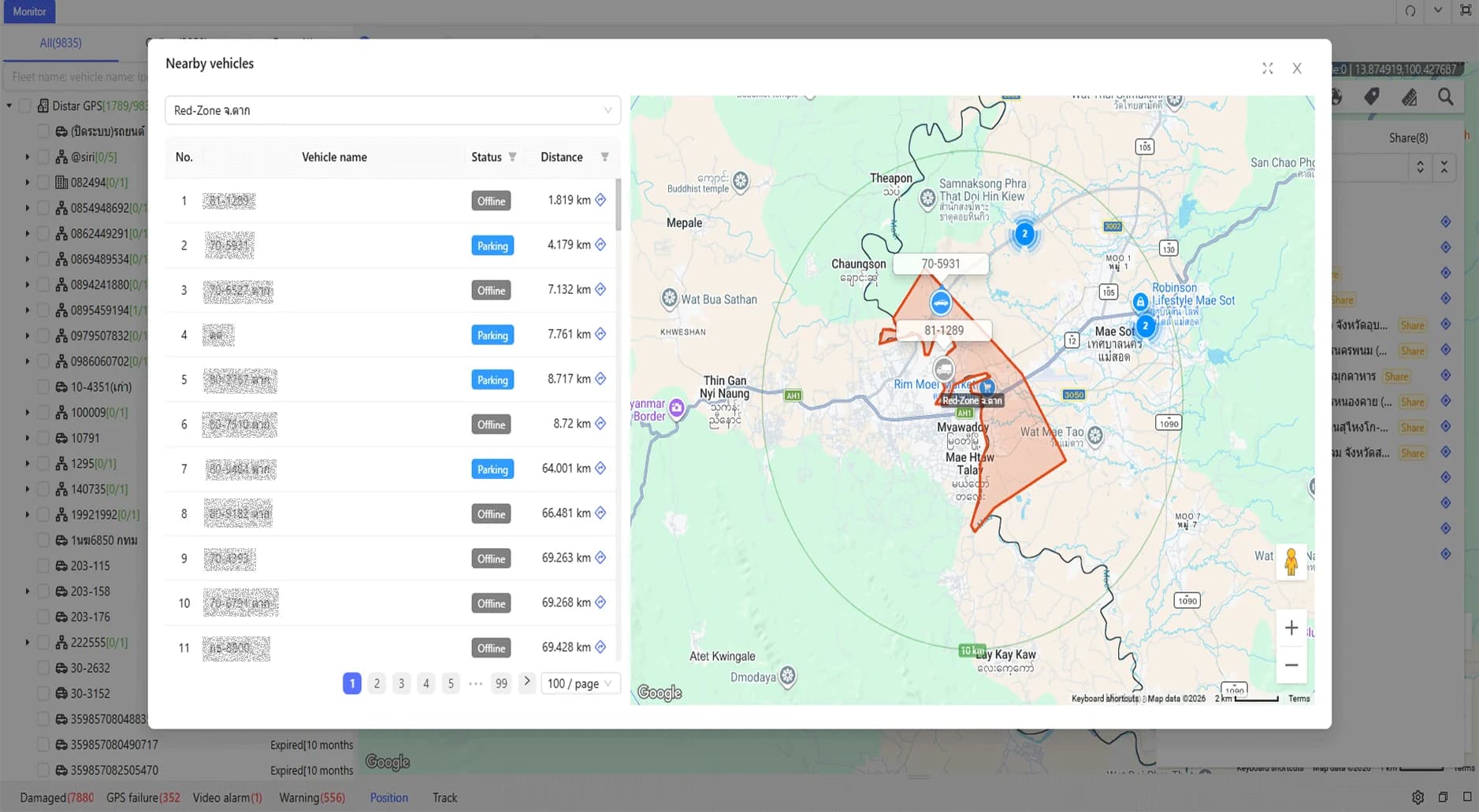
Fuel Efficiency and Route Control
Using Intelligent Routing to Prevent Fuel Wastage
Poor or no route management is one of the major reasons for excessive fuel consumption. When a driver is on an unknown route, from traffic congestion to poor road conditions, many factors can increase fuel consumption.
Using an advanced fleet management system, fleet operators can optimize the routes of their drivers. Using the route optimization feature, they can check the location of their vehicles and traffic conditions. The system can also analyze road closures and help drivers take alternative routes.
Apart from reducing fuel wastage, the approach helps improve overall operational efficiency.
Your vehicle also consumes fuel when it is not moving, but the engine is on. Drivers often engage in such activity while they are at loading and unloading sites. It is also a common scenario in traffic congestion.
A fleet management system can help you monitor the exact idling time and bad driving habits. You can combine these insights with route optimization to create a strategy that can address the over-fuel consumption issue.
Secure Your Fuel Tank Against Unexpected Drops and Theft
Fuel pilferage is another big issue that increases the fuel bill. Sometimes, commercial vehicles have to stay parked at godowns and roadside for several hours. Thieves can access fuel lines or use a hose to drain the fuel from the fuel tank. In some cases, your staff may misuse fuel and do inaccurate fuel reporting.
An advanced fuel management system can help reduce fuel wastage. Using an advanced fuel management system, you can detect suspicious activity. After all, it helps you compare fuel levels with vehicle travel data and refuelling records.
Fleet operators can install precision-based fuel level sensors on their vehicles to monitor the fuel inside the vehicle tank. They can integrate these sensors with a fleet management system to get accurate reporting on fuel consumption and theft. This fuel theft detection technique can also help them verify refueling events and make a proper budget for fuel.
Fleet operators can combine fuel monitoring with vehicle tracking to gain better visibility into where fuel is being used or wasted.
The Third Pillar: Lower Total Cost of Ownership Through Management Systems Integration
Many fleet operators are realizing the need to have an integrated system that can help prevent unnecessary hardware spending.
However, some fleet owners look for solutions only when they face an issue. For example, they might not consider installing a Mobile Digital Video Recorder (MDVR) until they need to record incidents.
There are many sensors and in-vehicle devices; if they are integrated properly, they can help fleet operators reduce the need for additional vehicle hardware.
The Hidden Drain of Managing Isolated Devices
Each device helps solve a particular issue and contributes to overall operational efficiency. Nevertheless, you cannot achieve the desired outcome until you integrate all of them into one fleet management system.
After all, analyzing data manually from all isolated devices is a challenge in itself. If your fleet size is large, it can be difficult for you to manage information between these devices manually.
Combining GPS, MDVR, and Safety Sensors
Modern fleet management systems support system integration. They can consolidate vehicle tracking, driver monitoring, fuel data analysis, hardware diagnosis, and camera footage in a single platform.
With these systems, you don’t need to navigate between various applications. Operators can view vehicle location, driver attention, fuel consumption, etc., in one place. This unified approach simplifies things and supports smooth decision-making.
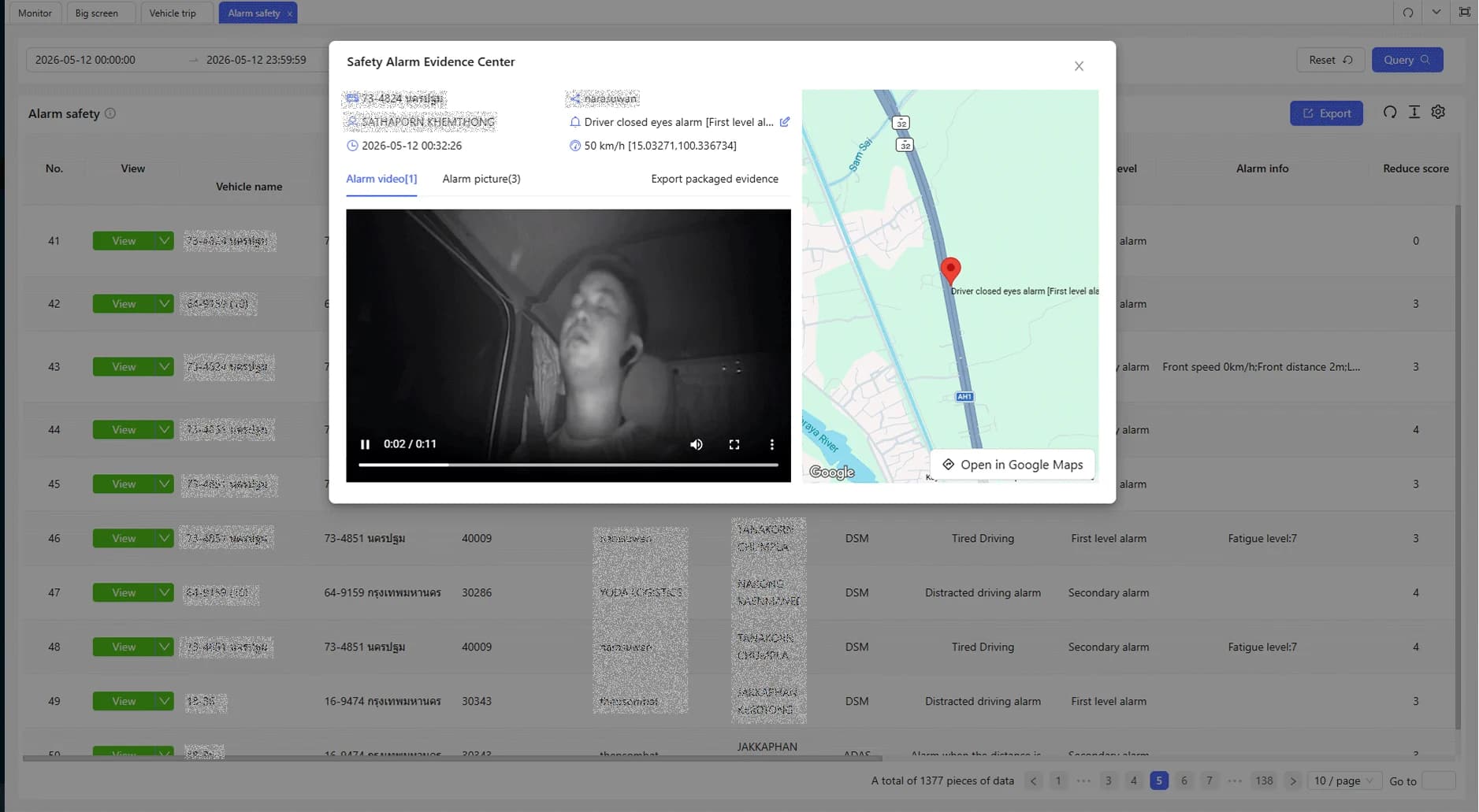
Connected Fleet Data
Connecting different monitoring devices and sensors together can also play a role in minimizing your total cost of ownership. When you have accurate information about your vehicle, you make better cost control decisions to reduce operational costs without compromising on productivity.
After all, the combined data from different sources provides a better picture of your operations. No single device can provide you with accurate information.
Linking Fleet Data With Your Management Software
Fleet management becomes more convenient if you can connect fleet information with fleet management software, such as dispatch, payroll, maintenance, and accounting platforms.
With API integration, fleet management systems can automatically share data with business management and accounting software. It will help fleet managers update records of maintenance expenses, drivers’ salaries, and generate clear operational reports.
The Fourth Pillar: Correcting Driver Behavior to Reduce Costs and Liabilities
Driver behavior is something some fleet managers pay less attention to. They may not recognize that it can also contribute to a massive loss if not monitored properly.
Negligent driving, overspeeding, and harsh braking may increase your business expenses. After all, they directly contribute to vehicle wear and tear, increased fuel consumption, and higher insurance costs. Besides this, driver fatigue may also increase the risk of accidents.
With a fleet management system, you can monitor your drivers’ behavior continuously. Based on driver behavior analytics, you can compare their performance and arrange training if required. This smart approach can improve fleet safety significantly.

Driver Behavior and Safety Coaching
Correcting High-Risk Habits on the Fly with In-Cabin Safety Cameras
It is important to monitor and correct driver behavior. If neglected, it may become a reason for a mishap. Fleet operators can interconnect the in-vehicle cameras to the Driver Monitoring System (DMS). Thus, they can get real-time visuals from inside the cabin and notice driver fatigue and negligent driving.
With the help of an integrated vehicle system, fleet managers can issue real-time alerts to drivers so that they can correct their unsafe behavior immediately.
A study from the European Road Safety Observatory concludes that driver fatigue is responsible for about 10 to 25% of crashes.
The Driver Monitoring System can help you monitor the behavior of your driver. It can detect the signs of yawning and drowsiness. The system can also send warnings to the driver about the same.
DMS can also send alerts to fleet managers through the fleet management dashboard so that they can take necessary action.
Improving Driving Habits Using Driver Scorecards
To improve drivers’ performance, you need measurable feedback. On the basis of that, you can encourage and arrange training for them.
A fleet management system can give you a report on your drivers' behavior. You can create driver scorecards based on information about their speeding, idling, braking, and other data. It will also let you know who your top-performing driver is.
Issuing driver scorecards is an ideal way to promote safer driving habits and track improvements.
Insurance companies consider your safety record before issuing a fleet insurance policy. They often favour companies that follow strong safety practices and invest in safety solutions to safeguard their drivers and vehicles.
When you have records of safe driving and regular vehicle maintenance, you can negotiate for a better insurance deal. These small fleet maintenance efforts can add up over time and help reduce your overall fleet operating costs.
The Long-Term Payoff: Extending Your Vehicle Lifecycles and Resale Value
An effective fleet management strategy offers the long-term benefits of fleet management. Besides keeping a check on day-to-day expenses, it also helps extend the lifespan of your vehicles. And it naturally boosts their resale value.
Protect Your Fleet Vehicles from Misuse and Premature Wear
When you use the right vehicle for a particular task, it prevents unnecessary wear and tear.
The fleet management software gives you better information about vehicle availability and condition.
This data helps you use all your vehicles adequately. You can rest assured that no vehicle is overused or underutilized. It helps you maintain all your vehicles equally and improve their lifespan.
Building Digital Service Records to Secure the Best Resale Value
Vehicles in good condition often have better resale value. Using a fleet management system, you can maintain a digital record of your vehicles.
Service and repair records can help buyers evaluate maintenance history and gain confidence in the condition of used fleet vehicles.
Listen to Your Engines Through Real-Time Telematics Diagnostics
Fleet maintenance is no longer optional. To remain competitive, fleet owners must adopt a full-fledged fleet management solution. It can assist them in acting in a proactive manner rather than a reactive manner. From boosting driver safety to improving fuel management, this investment may enable them to achieve substantial savings every year.
Cost Analysis: The Financial Impact of Modernizing Your Operations
Modernizing fleet operations offers long-term financial benefits. Though you may have to bear some expenses upfront for buying monitoring technologies, gadgets, and fleet management systems, you get a good return on investment in the long run. Modernizing your operations helps you boost productivity and reduce operating expenses.
Ready to Protect Your Bottom Line? Design Your Custom Cost-Saving Solution
Every fleet has its own challenges. Consequently, a tailored approach is necessary to provide solutions that match your business needs without adding unnecessary expenses.

Conclusion: Building a Cost-Control Fleet System
At Distar Mobility, we help fleet owners integrate fleet management systems, which bring together vehicle tracking systems, cameras, MDVR, DMS, fuel monitoring systems, and other industrial-grade hardware into a single platform. Ready to make your fleet smarter and more profitable? Contact Distar Mobility today. Our experts will demonstrate how our integrated fleet management platform helps reduce operating costs, improve productivity, and simplify fleet operations.