Introduction
Traffic safety is one of the biggest challenges in commercial vehicle operations. Every day, fleet managers face risks related to accidents, driver fatigue, poor visibility, and unexpected road conditions. These risks increase costs and create operational problems. Smart transportation technologies help you reduce these challenges. They combine AI-powered perception systems, intelligent warnings, real-time monitoring, and cloud-based management tools. Modern solutions allow you to identify risks before accidents happen. They also help you improve driver performance, lower insurance expenses, and increase fleet efficiency. As transportation becomes more connected, smart safety systems are becoming essential for commercial vehicle operators.
Multi-Dimensional Active Safety Perception System
Modern safety solutions use multiple technologies to create a complete awareness system. This approach is often called omni-perception. Instead of relying on a single camera, the system combines several sensors and monitoring tools. You gain a clearer understanding of what is happening around the vehicle. This improves safety in complex driving environments.
Smart Transportation Hardware and AI Vision
Industrial-Grade MDVR Terminals
These terminals serve as the core of the safety system. MDVR stands for Mobile Digital Video Recorder. These devices collect and manage data from multiple cameras and sensors. The system records important events while providing real-time monitoring capabilities. Industrial-grade hardware is designed for demanding commercial environments. It continues operating reliably under vibration, extreme temperatures, and long working hours.
AI Vision Algorithm Engine
Artificial intelligence helps transform video data into actionable information. AI-powered vision algorithms continuously analyze road conditions and driver behavior. The system can identify potential risks in real time. Instead of reviewing hours of footage manually, you receive automatic alerts when dangerous situations occur. This improves efficiency and speeds up decision-making.
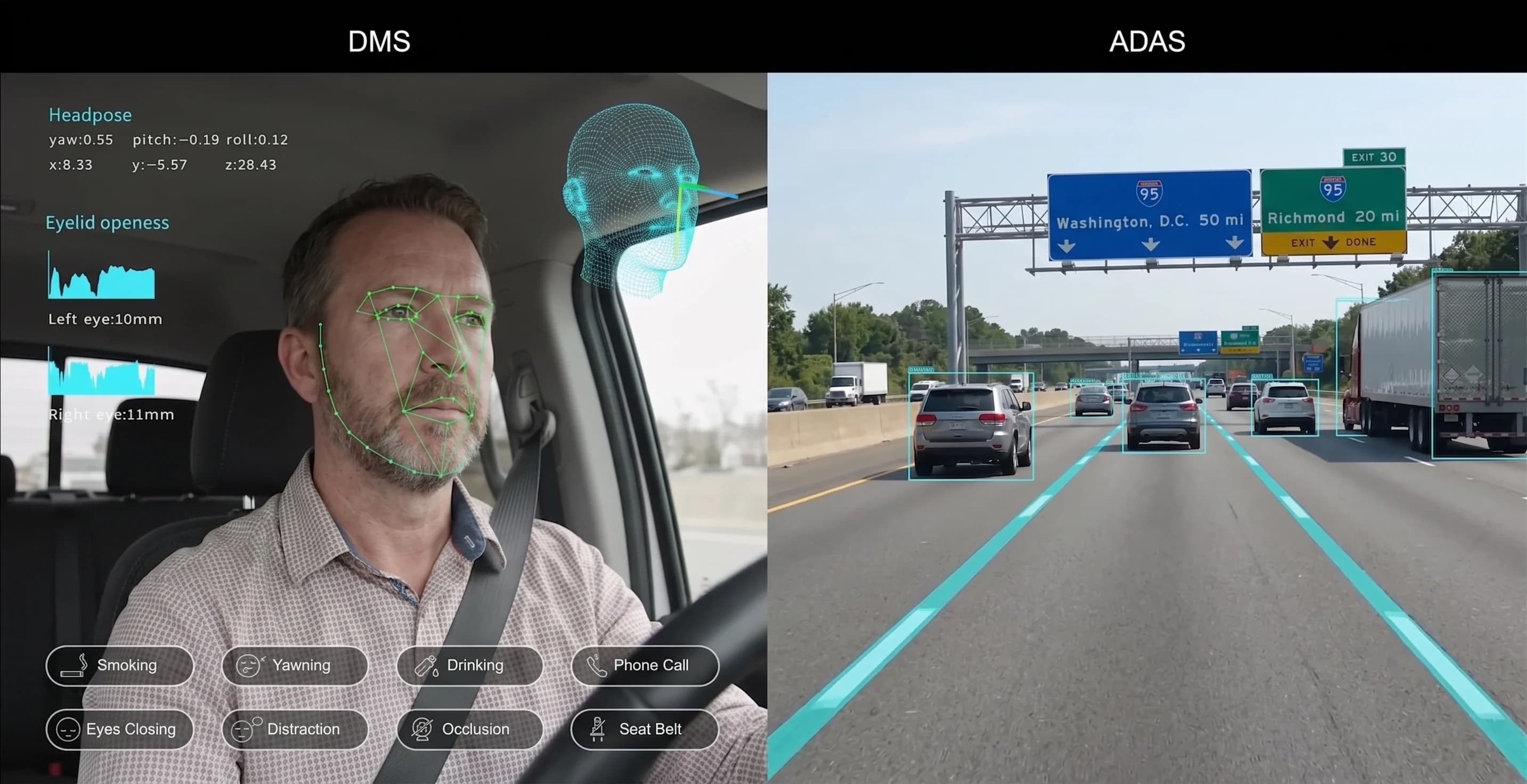
ADAS helps you identify road hazards before they become accidents. The system uses cameras and AI algorithms to monitor traffic conditions. Forward Collision Warning is one of the most important ADAS functions. According to various transportation safety studies, advanced driver assistance technologies can reduce certain types of collisions by more than 20%. Earlier warnings give drivers valuable reaction time and help prevent costly incidents before they occur.It detects vehicles ahead and warns drivers when a collision risk increases. Early warnings help drivers react faster and avoid accidents. ADAS also supports safer driving during long-distance transportation.
Driver fatigue remains a major safety concern in commercial transportation, especially for long-haul and repetitive routes. Earlier fatigue-risk alerts can support safety review and driver coaching.
Using AI-powered analysis, DSM systems continuously monitor driver alertness and attention levels. By identifying signs of fatigue, reduced concentration, delayed reactions, or other potentially risky behaviors, the system can provide timely alerts before a dangerous situation develops.
This additional layer of awareness helps drivers stay focused during long journeys, improves reaction times in changing traffic conditions, and supports safer interactions with surrounding vehicles. For fleet operators, it also provides valuable insights to strengthen driver training programs and reduce preventable incidents.
Importantly, DSM systems are designed to improve driver safety rather than invade personal privacy. Data collection and processing should comply with applicable regulations and company policies, ensuring responsible, transparent, and compliant use of information.
Blind Spot and Side-Area Awareness
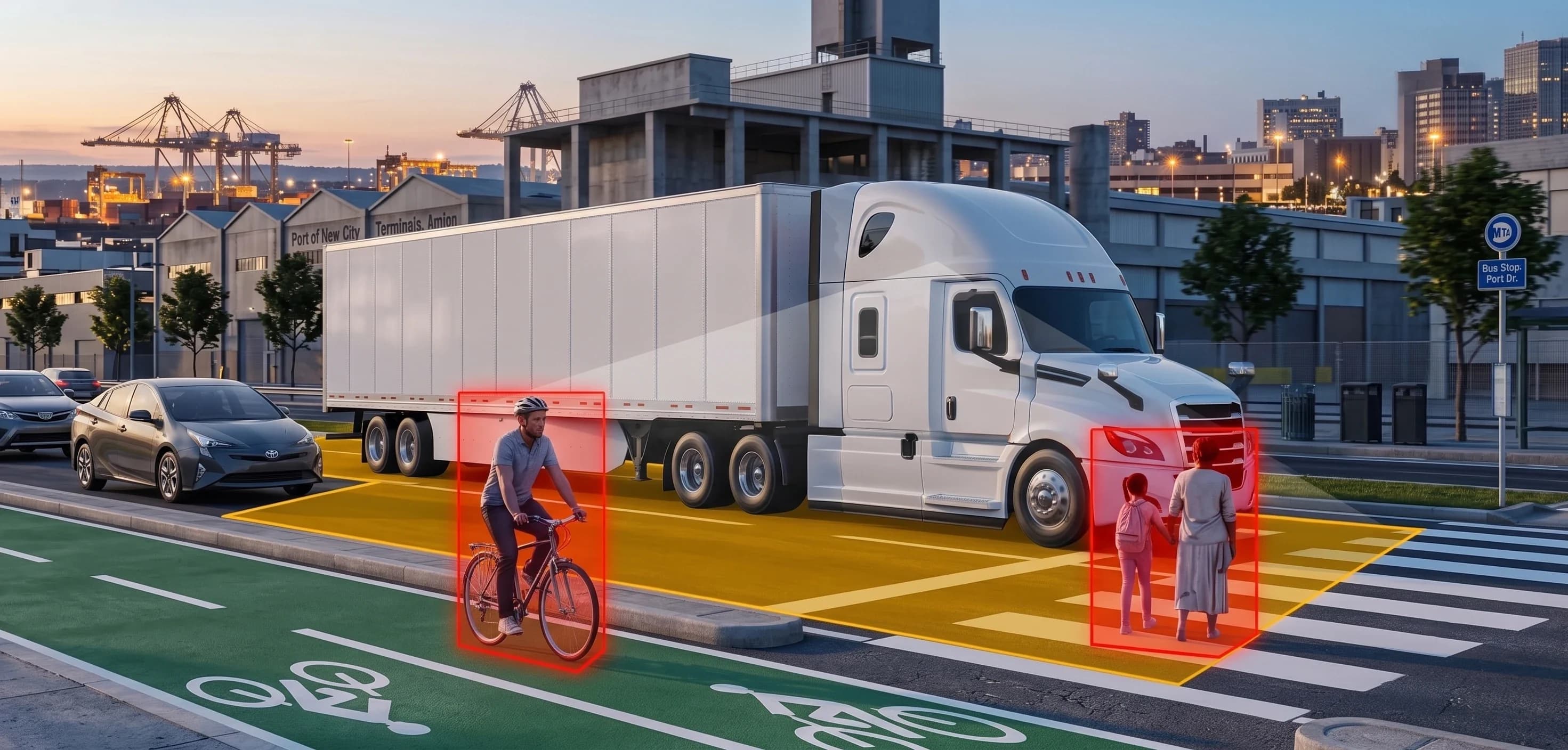
Large commercial vehicles often have significant blind spots. These blind spots increase the risk of collisions during lane changes and turning maneuvers. BSD continuously monitors areas that drivers cannot easily see. When a vehicle, cyclist, or pedestrian enters a blind spot, the system provides a warning. This improves awareness and reduces collision risks.
Thermal Imaging as a Complementary Sensor
Infrared Thermal Imaging Blind-Spot Compensation
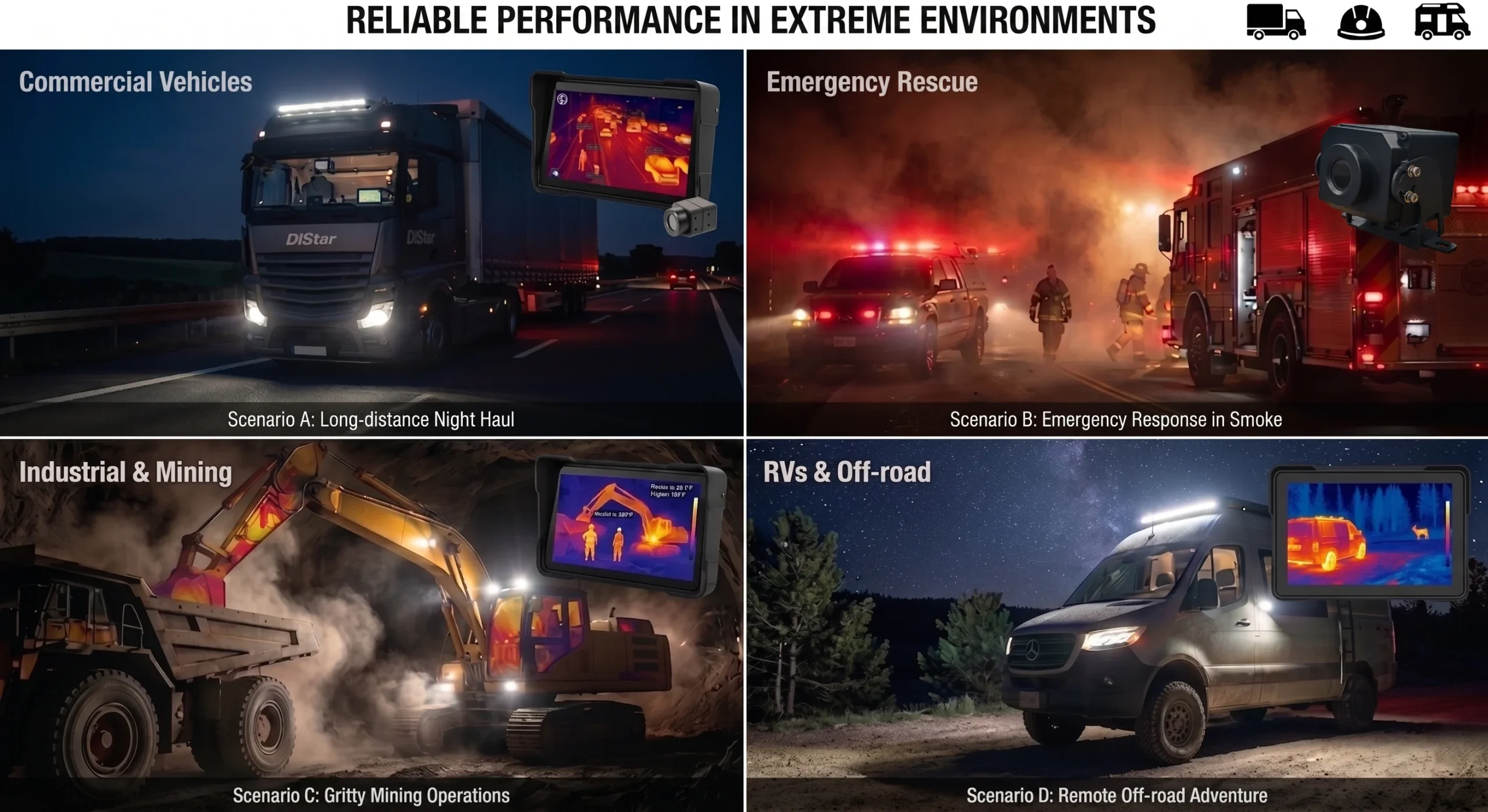
Traditional cameras have limitations. Their performance can decrease during darkness, fog, rain, or snow. Infrared thermal imaging solves this problem. Thermal cameras detect heat signatures instead of relying on visible light. This allows you to identify people, animals, and vehicles even in low-visibility environments. The technology improves blind-spot coverage and enhances nighttime safety.
Commercial vehicles operate in all types of weather conditions. Rain, fog, snow, and dust can reduce visibility significantly. All-weather vision systems help maintain situational awareness when standard cameras struggle. You gain more reliable visual information in challenging environments. This improves decision-making and reduces operational risks.
Distar Mobility GPS & MDVR Cloud Command Center
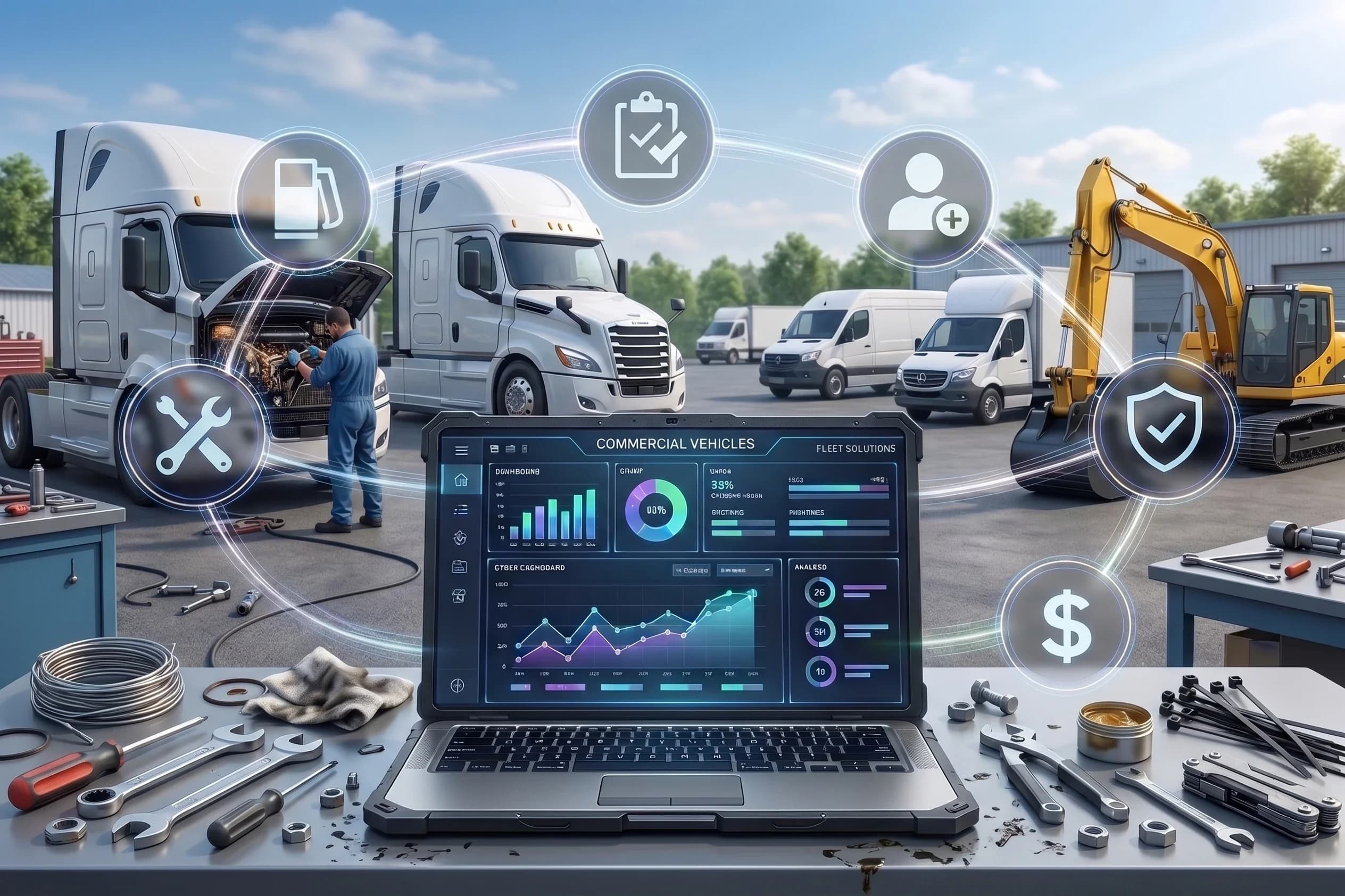
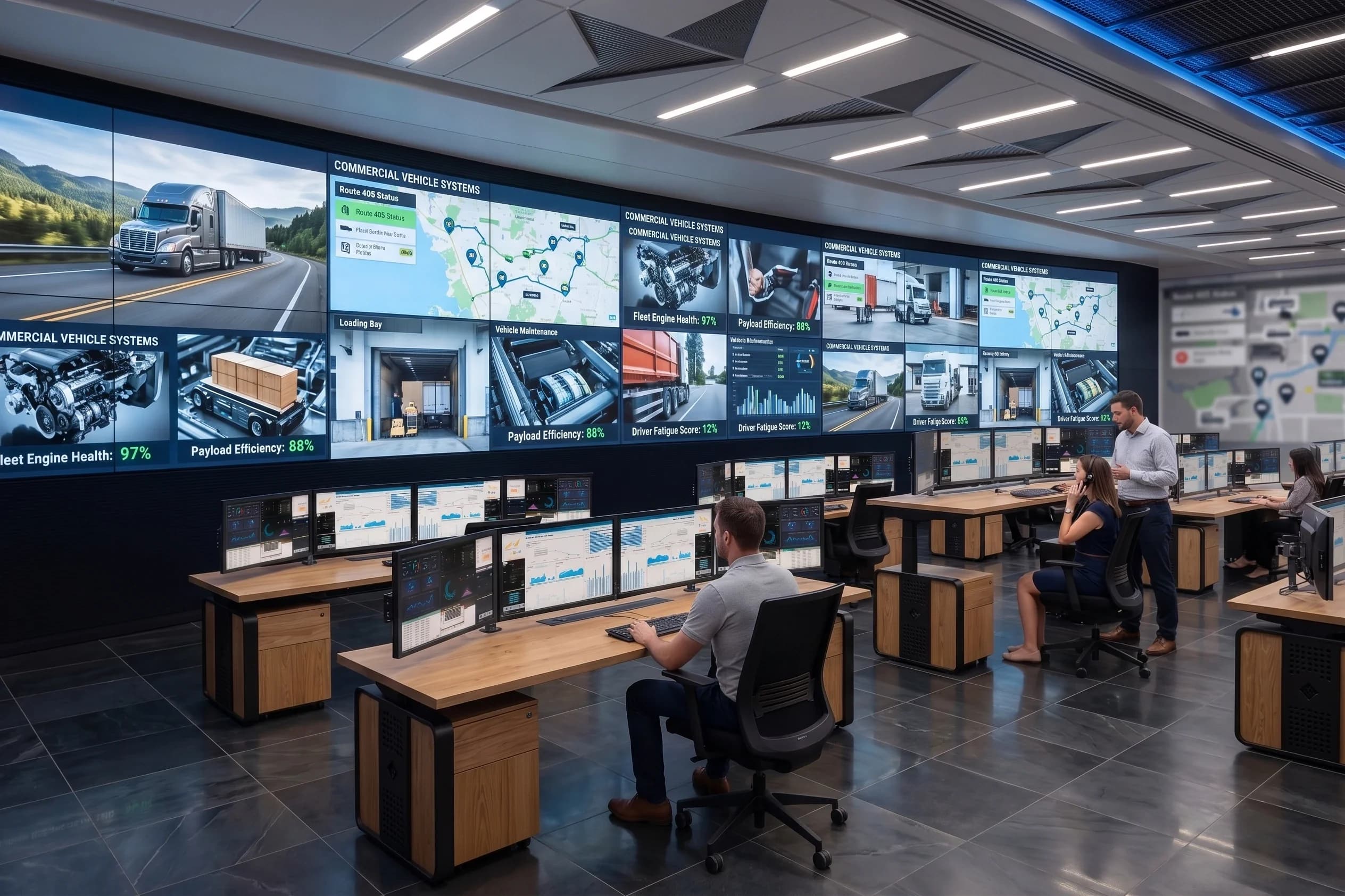
Managing a commercial fleet requires constant visibility. You need accurate information about vehicle locations, driver activity, and road conditions. Distar Mobility GPS and MDVR cloud workflows can support centralized fleet management by combining GPS tracking, video monitoring, and platform review. This improves operational visibility and helps teams respond to unexpected situations.
Tracking, Alerts and Driver Behavior Review
Synchronized Real-Time Tracking & Multi-Channel Video Streams
Traditional GPS tracking only shows vehicle locations. Modern fleet management requires much more information. The system combines real-time GPS data with multi-channel video streams. You can view vehicle movement and video footage at the same time. This provides a complete picture of what is happening on the road. Managers can verify incidents immediately without waiting for reports. The combination of location data and video evidence improves decision-making and accountability.
Alarm Linkage & Cloud-Based Evidence
Safety incidents require fast responses. Alarm linkage technology automatically connects safety events with video recordings and system alerts. When the system detects a dangerous event, it immediately triggers notifications. You receive important information without delay. This reduces response times and improves incident management. Cloud-based evidence storage adds another layer of protection. Video footage, location data, and event records are securely stored in the cloud. You can access evidence whenever it is needed. This simplifies investigations and supports insurance claims. Cloud-based evidence also prevents data loss caused by damaged equipment.
Driver Behavior Analysis Reports
Driver behavior has a direct impact on fleet safety. Unsafe habits increase accident risks and operating costs. The system continuously monitors driving behavior and generates detailed reports.
You can identify patterns that require attention. Common indicators include harsh braking, rapid acceleration, speeding, distracted driving, and fatigue-related behavior. These reports help you understand where improvements are needed. Instead of relying on assumptions, you receive objective performance data. Fleet operators frequently report measurable improvements after implementing driver behavior monitoring programs. In many cases, harsh braking, speeding, and aggressive acceleration events decrease by 20% to 40% within the first few months of deployment You can use this information to improve driver training programs. Better driving habits lead to safer operations and lower operating costs.
Targeted Scenario Application Solutions
Different commercial vehicle operations face different challenges. A delivery van operating in a city does not face the same risks as a hazardous chemical transport vehicle. Smart transportation systems adapt to different operating environments. This flexibility allows you to improve safety across multiple industries.
Long-Haul Freight & Hazardous Chemical Transport
Long-haul transportation involves extended driving hours and demanding road conditions. Drivers often travel through remote areas with limited visibility and unpredictable weather. These conditions increase safety risks. For hazardous chemical transport, the consequences of an accident can be severe. Safety systems help reduce these risks through continuous monitoring and intelligent warnings.
ADAS improves highway awareness. DSM helps prevent fatigue-related incidents. BSD reduces lane-change risks.
Infrared thermal imaging improves visibility during nighttime operations. Real-time tracking allows managers to monitor vehicle status throughout the journey. When transporting hazardous materials, proactive safety management becomes essential. Early detection of risks helps prevent costly and dangerous incidents. For long-haul fleets, even a small reduction in accident frequency can translate into thousands of dollars in annual savings per vehicle. This makes proactive safety technologies particularly valuable for high-mileage operations.
Urban Delivery & Light Commercial Vehicles
Urban transportation presents different challenges. Drivers must navigate crowded streets, pedestrians, cyclists, and frequent stopand-go traffic. Blind spots become more dangerous in dense city environments. BSD technology helps drivers detect nearby vehicles and vulnerable road users. ADAS provides warnings when collision risks increase. All-weather vision systems improve visibility during rain and low-light conditions.
Cloud-based fleet monitoring also helps managers optimize delivery routes. Improved route efficiency reduces fuel consumption and delivery delays. These benefits improve customer satisfaction while reducing operational costs.
Specialty Vehicles (Mining, Construction)
Mining and construction vehicles operate in some of the most demanding environments. Dust, poor visibility, rough terrain, and heavy equipment create constant safety challenges. Traditional monitoring systems may struggle in these conditions. Industrial-grade MDVR equipment is designed for harsh environments. The hardware continues operating reliably under difficult conditions. Thermal imaging improves visibility in low-light work zones. Multi-camera systems provide better awareness around large machinery. Cloud-based monitoring allows managers to supervise operations remotely. These capabilities improve safety and reduce operational interruptions.
Cost Reduction & Efficiency Gains Powered by Safety
Many fleet operators view safety technology as an expense. In reality, safety investments often generate significant financial returns. Reducing accidents helps lower operating costs across the organization. Safer fleets experience fewer disruptions and less vehicle downtime. This creates measurable efficiency gains.
Insurance and Liability Review
Insurance costs represent a major expense for commercial vehicle operators. Insurance providers evaluate fleet risk when calculating premiums. High accident rates often result in higher insurance costs. Safety technology helps reduce risk exposure. Driver monitoring systems improve driving behavior. ADAS reduces collision risks. According to industry data, fleets that implement comprehensive ADAS and DSM systems often see insurance premium reductions ranging from 15% to 25%, depending on fleet size, claims history, and operating conditions.
Video evidence can help clarify liability after incidents. Insurance outcomes depend on local policies, fleet records and insurer review, but stronger safety records can support better risk discussions.
Optimized Operational Costs
Accidents create costs that extend far beyond vehicle repairs. A single incident can result in downtime, cargo delays, legal expenses, and lost productivity. Preventing accidents improves operational efficiency. Driver behavior analysis helps reduce fuel waste caused by aggressive driving. Fleet management benchmarks indicate that aggressive driving behaviors can increase fuel consumption by 10% or more. Monitoring programs and driver coaching help reduce unnecessary fuel expenses while improving vehicle safety and efficiency.
Route visibility improves fleet planning. Predictive safety alerts help avoid costly breakdowns and emergency situations. These improvements support more efficient daily operations. You spend less time responding to problems and more time focusing on business Growth.
Brand Reputation Elevation
Safety affects more than operational performance. It also affects how customers view your business. Companies with strong safety records often build greater trust with customers and partners. Reliable transportation services strengthen customer confidence. Safety technology demonstrates a commitment to responsible operations. This can improve your competitive position in the market. Customers increasingly value reliability and transparency. Smart transportation solutions help you deliver both.
Striking Paths Toward the Future of Smart Transportation
Transportation technology continues to evolve. Artificial intelligence, advanced sensors, and connected vehicle networks are creating new opportunities for safety improvement. The future of commercial transportation will depend on greater connectivity and smarter decision-making. Integrated safety platforms will play a central role in this transformation.
The Growing Impact of System Integration
Modern transportation systems are becoming more connected. Fleet management, safety monitoring, driver behavior analysis, and vehicle diagnostics are increasingly integrated into unified platforms. This integration improves operational visibility. You gain access to more accurate and actionable information. Instead of managing separate systems, you can monitor all critical safety functions from a single environment. Integrated platforms improve efficiency and simplify fleet management. They also create stronger foundations for future technological development.
Vehicle-to-Everything (V2X) Communication
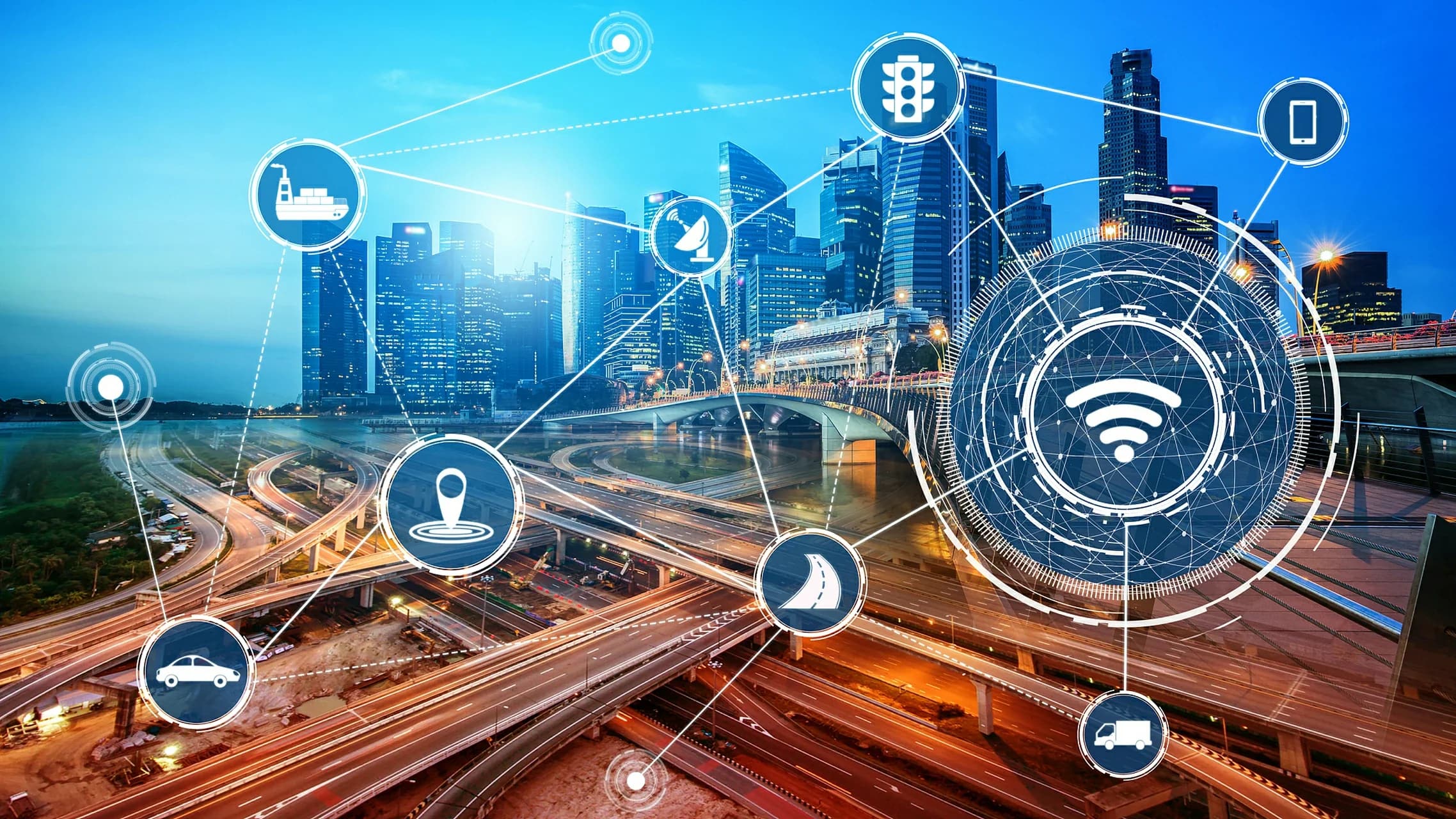
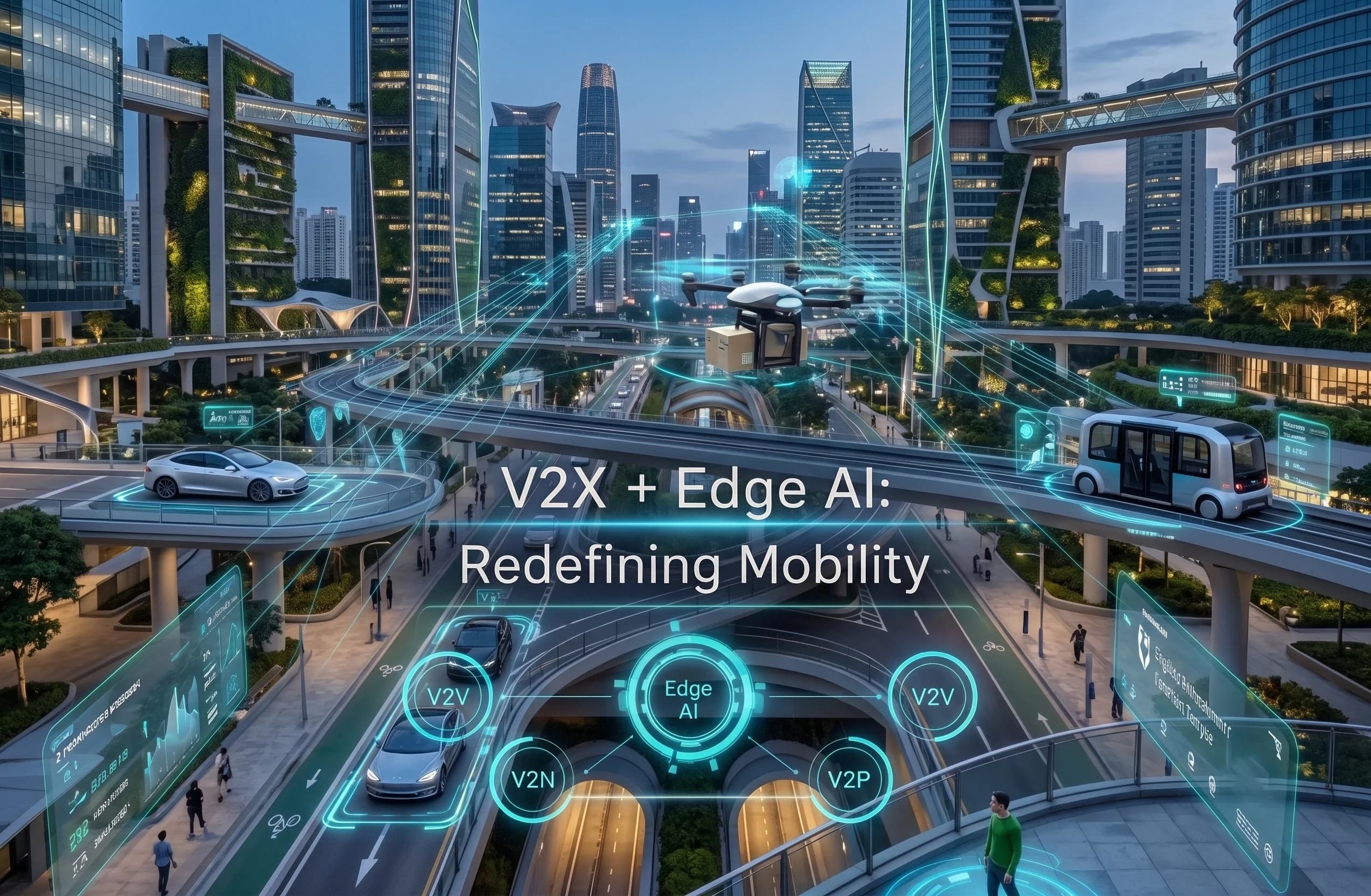
Vehicle-to-Everything, or V2X, represents the next stage of transportation safety. V2X allows vehicles to communicate with surrounding infrastructure, other vehicles, and connected systems. This creates a more intelligent transportation ecosystem. Vehicles can exchange information about traffic conditions, road hazards, weather events, and potential collision risks. Drivers receive warnings earlier. Fleet managers gain greater situational awareness. Emergency response times can improve significantly. As V2X adoption expands, transportation networks will become safer and more efficient. The technology has the potential to reduce accidents while improving traffic flow.
Conclusion
Commercial vehicle safety is becoming more complex. Traditional safety approaches are no longer sufficient for modern transportation challenges.
Smart transportation technologies provide a proactive solution. Omni perception systems, industrial-grade MDVR platforms, ADAS, DSM, BSD, infrared thermal imaging, and cloud-based management tools work together to improve safety and efficiency. These technologies help you reduce risks, improve driver performance, lower insurance costs, and strengthen operational control. Whether you manage long-haul freight, hazardous chemical transport, urban delivery fleets, or specialty vehicles, intelligent safety systems provide measurable benefits.
The future of transportation will be shaped by AI, cloud connectivity, and Vehicle-toEverything (V2X) communication. Companies that invest in these technologies today will be better prepared for tomorrow's transportation challenges. Smart transportation is not only about preventing accidents. It is about creating safer, more efficient, and more profitable fleet operations for the future.