Introduction
In recent years, commercial vehicle technology has been evolving at a pace that is both exciting and challenging. Bus operators, fleet owners, OEMs, and system integrators are navigating a landscape where devices alone are no longer enough. Displays, MDVRs, Android terminals, sensors, and cloud platforms must work together—not as isolated components, but as part of a coordinated system.
This shift marks a turning point in the industry:
we have officially moved from the “device era” into the “system era.”
At Distar Mobility, this transition aligns closely with our own development path. Having worked across the entire chain—from hardware engineering to cloud platform design—we’ve seen how fragmented solutions create unnecessary risk, cost, and operational complexity for customers. And more importantly, we’ve learned why a system-level approach is the only way to achieve true smart mobility.
The challenge: multiple vendors, multiple risks
In many regions, bus and fleet operators work with several vendors at once: one sells terminals, another provides MDVRs, another supplies the software, and yet another manages the backend platform. At first glance, this seems flexible—until something breaks.
When failures occur, no one can pinpoint the cause:
Or simply a mismatch between hardware specifications?
This “blame triangle” consumes time, budget, and operational energy. Worse, it creates uncertainty in projects that already operate on tight schedules.
- Is it the protocol?
- The cable?
- The firmware?
- The server?
- The device’s compatibility?
The real issue is not the device. It is the lack of system ownership.
Commercial vehicle operations require stability: routes run daily, safety is non-negotiable, and downtime is costly. A system that cannot be fully coordinated becomes a liability.
Why system-level integration matters
System-level thinking does not mean more technology—it means better coordination of the technology that already exists.
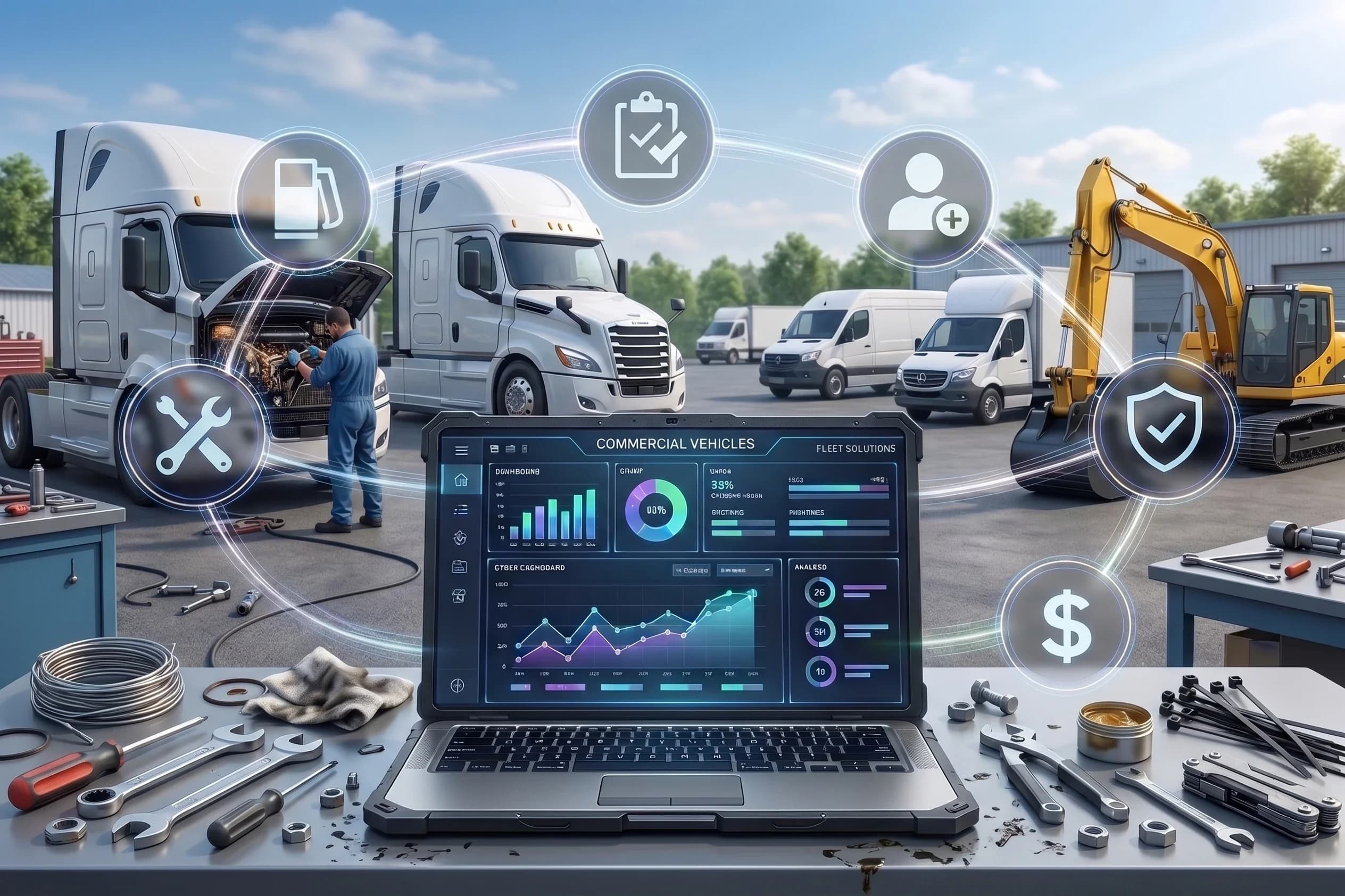
A well-designed commercial mobility system must address:
When these elements align, three outcomes immediately emerge:
- hardware compatibility
- communication protocols
- data structure and parsing
- vehicle environment limitations
- cloud-side processing and analytics
- maintenance cycles and long-term scalability
① Smoother installation and deployment
Installers spend less time troubleshooting and more time completing routes.
② Lower operational risk
Fewer unexpected failures, clearer diagnostics, faster recovery.
③ More meaningful data for decision-making
Operators gain insights, not noise.
This is the foundation of smart mobility—not the number of devices, but the reliability of the system as a whole.
The new expectation from global buyers
Across Southeast Asia, South America, and emerging markets, we hear a common message from project owners:
“We want fewer vendors and more accountability.”
Customers now prefer partners who:
This is no longer a “nice to have”—it has become a requirement for successful deployments.
- understand the full technical chain
- can commit to clear delivery timelines
- provide both hardware and cloud-level integration
- offer engineering-level communication
- support long-term maintenance and upgrades
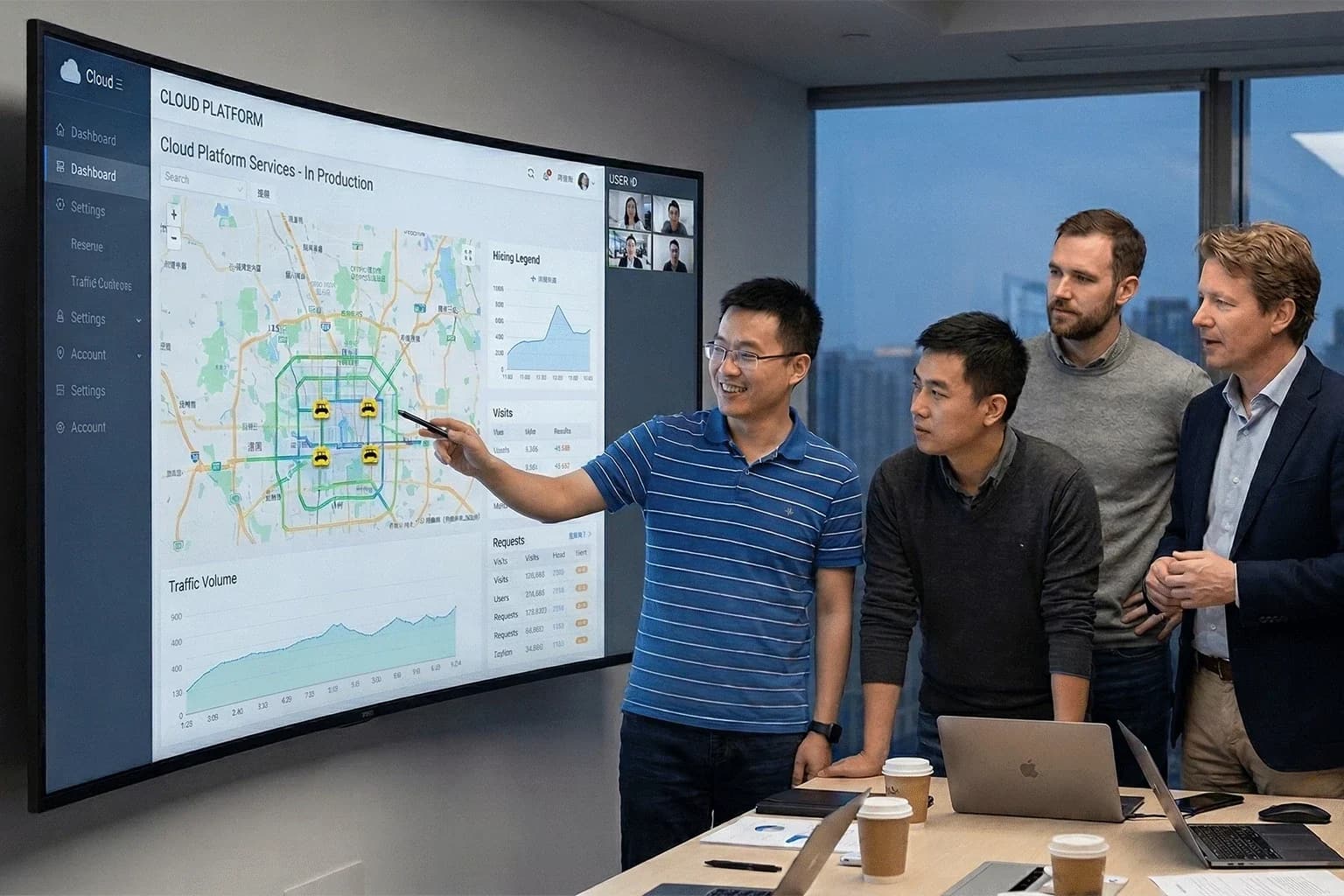
Distar Mobility’s perspective: smart mobility must be practical
At Distar Mobility, we believe that smart mobility is valuable only when it works in real-world conditions:
This is why we built our solutions around practical engineering logic rather than theoretical possibilities.
Our approach integrates:
MDVR and sensor compatibility
commercial-grade displays and terminals
telematics communication
a self-developed cloud platform
API access and protocol flexibility
long-term scalability for operators
By treating the entire chain as a single system, we reduce trial-and-error, shorten deployment cycles, and strengthen long-term reliability.
- on buses that run 12–16 hours a day
- in hot, humid, dusty, or vibrating environments
- across mixed fleets with varying electrical architectures
- under long-term operational pressure
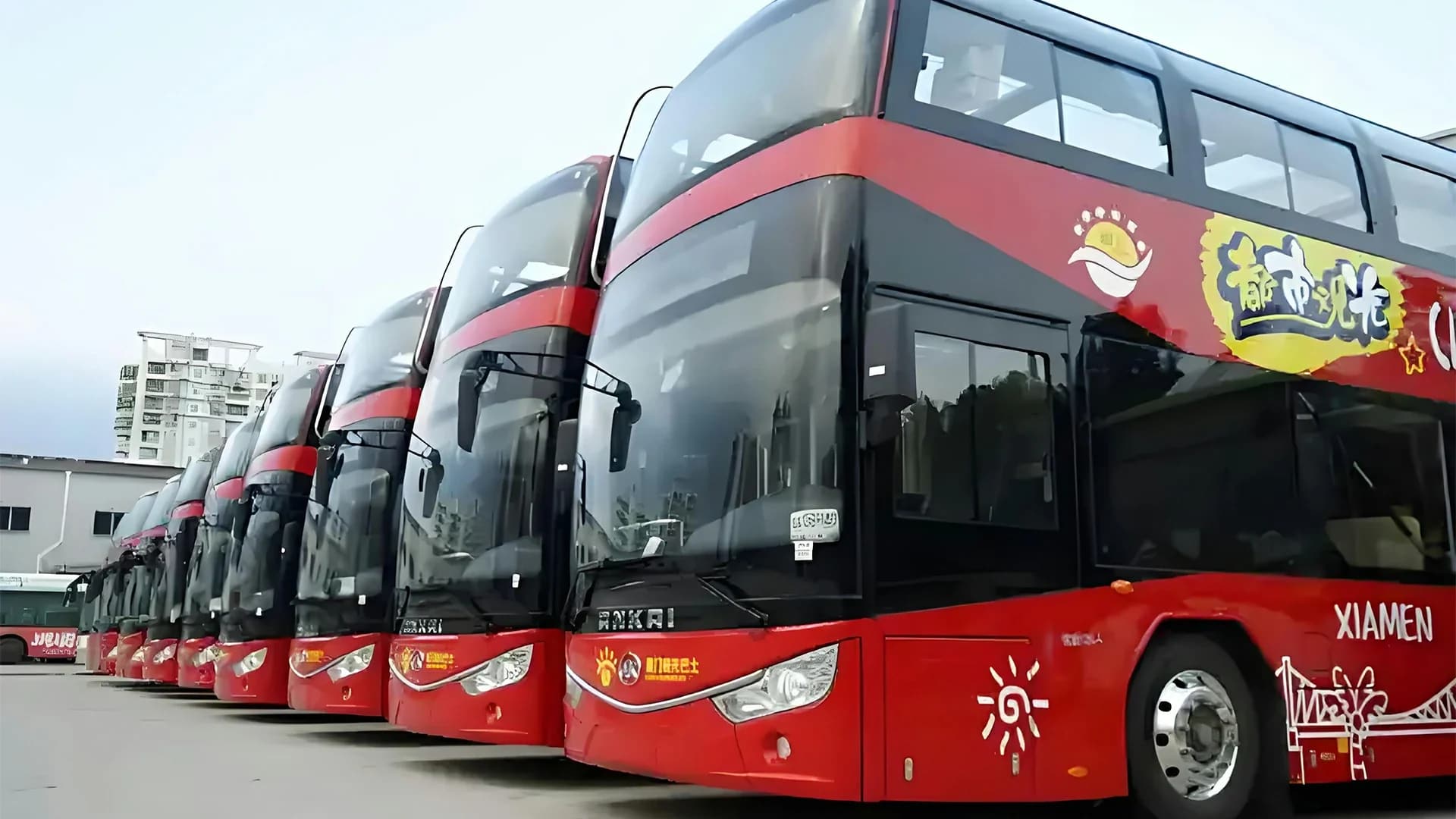
Looking forward: the system era is just beginning
As IoT, AI, and cloud technologies expand, commercial vehicles will become increasingly data-driven. However, the success of these technologies depends on the fundamentals:
The industry does not need more devices. It needs better systems. And that is where the future of smart commercial mobility will be defined.
What's Your System Strategy? The move to system-level thinking is about securing your operations. What challenges are you currently facing in unifying your fleet’s devices and data? Share your thoughts below or reach out to explore how Distar Mobility can help you transition from fragmented devices to a unified, reliable ecosystem.
- reliable data collection
- clean device integration
- unified data pipelines
- stable hardware
- scalable platforms